

Introduction
What is CO2 Fractional Laser?
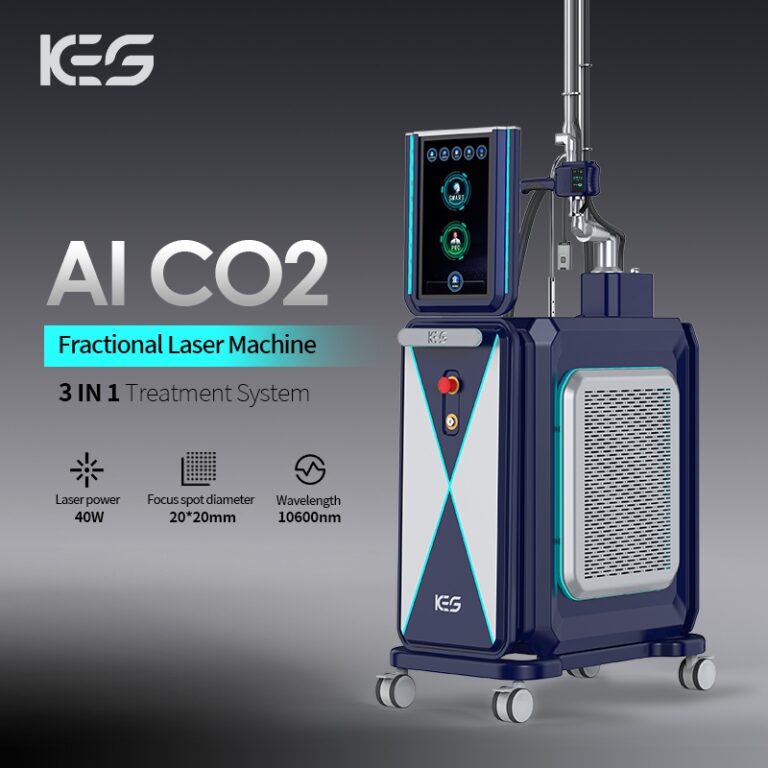
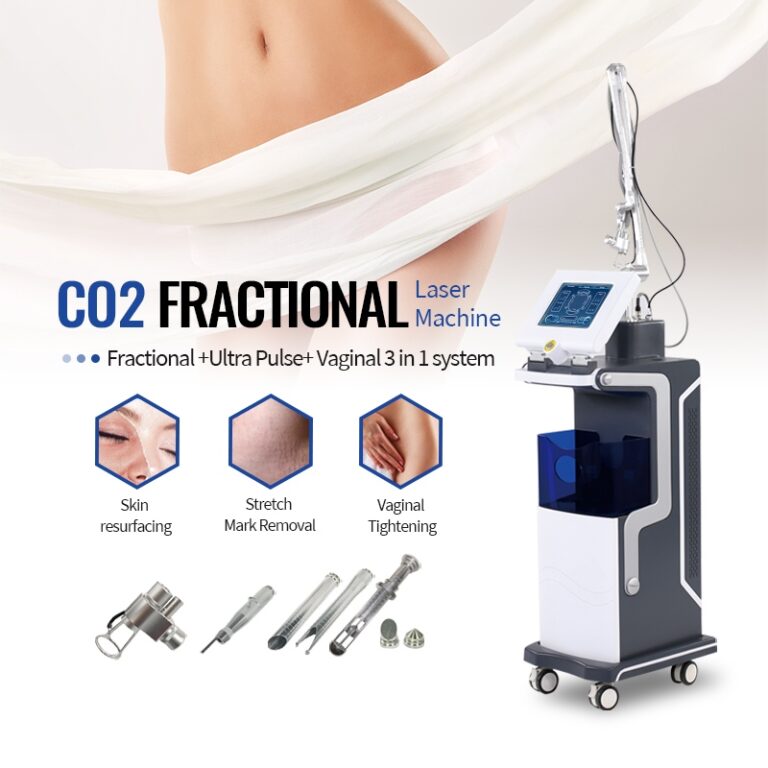
CO2 fractional laser serves as a modern resurfacing tool. This tool clears layers of skin using a partial approach. Columns of skin get removed, while nearby tissue stays whole to speed up healing. The laser beam splits into many tiny beams. These beams form small holes in the skin. The holes spark strong collagen growth.
Why Post-Treatment Care is Crucial for Results
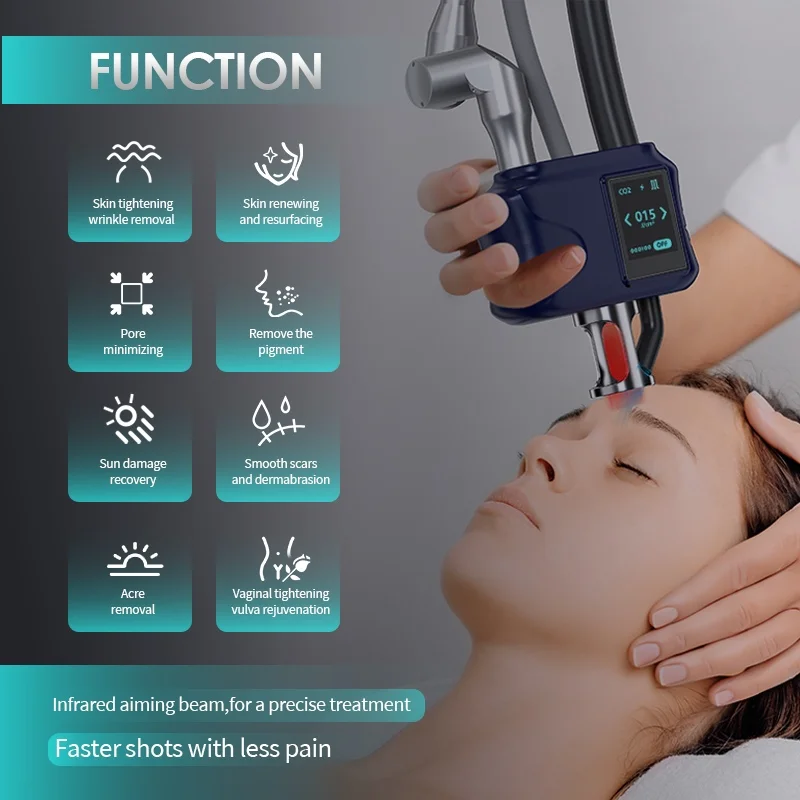
Success from laser treatment splits between the exactness of the tech and the care in follow-up. Right management after treatment stops issues like hyperpigmentation, scarring, or infection. The laser makes small open paths in the skin, so the shield role weakens for a short time. Without a set care plan, skin faces risks from outside pressures and lack of water. Good aftercare backs the making of new collagen and elastin. These elements matter for cutting fine lines, wrinkles, and surface bumps.
The Recovery Timeline: What to Expect Day-by-Day
Day 1: The Initial Reaction (Redness & Heat)
Right after the treatment, the skin feels quite warm, like a fair or sharp sunburn. Redness (erythema) counts as normal and points to laser power reaching the dermis to start repair. Some local swelling, mainly near the eyes or cheeks, often happens in the first 24 hours.
Days 2–3: The “Peeling” Phase Begins
In the second and third days, redness can change to a coppery or sunlit look. The “grid” mark of laser spots may show as the skin dries. This marks the beginning of the shedding step where outer broken layers ready to drop. Keeping skin well-dampened during this time matters to avoid early splitting.
Days 4–7: Shedding and New Skin Emergence
This stage hits the high point of peeling. Small “flakes” or “crumbs” of skin drop off on their own as face cleaning occurs. Below lies a new, rosy skin layer. By day seven, most strong peeling ends, but skin stays rather tender and may hold a light pink shade.
Week 2 & Beyond: Managing Residual Pinkness
The clear “downtime” mostly wraps up after the first week, yet inner skin rebuilding goes on for months. Leftover pinkness fades bit by bit. In this period, lasting gains like better skin looseness and less scarring grow clearer as new collagen strands grow up.
Essential Aftercare Instructions
A firm method for skin upkeep proves needed to reach prime outcomes. The aim centers on giving a guarded, wet setting that aids cell division.
Gentle Cleansing Protocol
Cleansing calls for great caution to avoid stripping skin or sparking mechanical irritation.
Recommended Cleansers vs. What to Avoid
Stick to warmish water and a soft, scentless, non-soap cleanser. Skip products with scrubbing beads, washcloths, or turning brushes, since these harm the weak new skin. Gently pat skin dry with a fresh, plush towel instead of rubbing.
Hydration and Moisturization
Holding a “moist wound healing” setting ranks as the best means to quicken recovery and cut crusting risks.
The Role of Healing Ointments
In the opening days, a heavy sealing ointment is often suggested to build a wall that holds dampness and shields skin from air. As peeling moves on, a plain, strong moisturizer can take over.
Sun Protection: Your Most Important Defense
Newly renewed skin opens up greatly to UV harm, which brings lasting dark spots (hyperpigmentation).
Physical Sunscreens vs. Chemical Sunscreens
Once skin closes (often by day 5-7), daily application of a wide-cover sunscreen is required. Physical sunscreens with Zinc Oxide or Titanium Dioxide get picked over chemical ones mainly because these bother tender, after-treatment skin less and give a quick physical stop to UV rays.
Dos and Don’ts for a Faster Recovery
| Category | Action | Why it Matters |
| Hydration | DO: Drink plenty of water | Supports cellular repair and skin plumpness from within. |
| Positioning | DO: Sleep with head elevated | Helps minimize post-laser swelling in the facial area. |
| Comfort | DO: Use cold compresses | Reduces heat sensation and calms inflammation in the first 48 hours. |
| Mechanical | DON’T: Pick or scratch | Forcing skin to peel can lead to scarring and infection. |
| Ingredients | DON’T: Use actives | Retinols and acids will severely irritate healing tissue. |
| Cosmetics | DON’T: Apply makeup early | Foreign pigments can get trapped in open pores or cause irritation. |
DO: Stay Hydrated and Sleep with an Elevated Head
Inside dampness matters as much as outside moisturizing. Drinking water aids the body in handling the swelling reply. Plus, adding an extra pillow to hold head above heart for the first three nights cuts down greatly on fluid hold and swelling in the face.
DO: Use Cold Compresses to Reduce Swelling
When skin feels too warm in the first two days, putting a clean, cool compress (not right ice) for 10-15 minutes each hour brings ease. This narrows blood vessels and calms the handled spot without blocking the laser’s heat boost to collagen.
DON’T: Pick, Scratch, or Rub Your Skin
When skin starts to peel, itching can set in. Picking at flakes must be avoided at all costs. Skin sheds on its own in the soft cleansing plan. Pulling skin off too soon brings raw places open to scarring.
DON’T: Use Active Ingredients (Retinols, Vitamin C, Acids)
Halt all use of aging or blemish fixes like Retin-A, Vitamin C serums, glycolic acid, or salicylic acid for at least two weeks after treatment, or until the clinician says to start. These “active” parts are too rough for the weak skin shield and can cause chemical burns.
DON’T: Apply Makeup Too Early
Hold off until skin heals full and stops peeling—often 7 to 10 days—before putting on makeup. When starting again, make sure brushes get pro cleaning to skip adding germs to new skin.
When to Call Your Doctor
Side effects form a standard part of the process, but telling the usual healing from possible troubles matters.
Normal Side Effects vs. Red Flags
Usual side effects include redness, swelling, peeling, and a rough texture like sandpaper. Still, contact the provider if extreme pain skips basic relief, yellowish flow or crusting shows, or blisters burst out suddenly (which may point to a virus).
Signs of Infection or Excessive Scarring
Spreading redness that warms to touch or a fever points to possible bacterial infection. Quick steps hold the key to keeping these matters from making lasting shifts in skin feel or color.
KES laser: Advanced Technology for Smoother Recovery
Recovery standard often shows straight from the tech used in the treatment. KES laser has put over 20 years into tuning medical and beauty tools to match strength with client safety.
Precision Engineering with the MED-870+
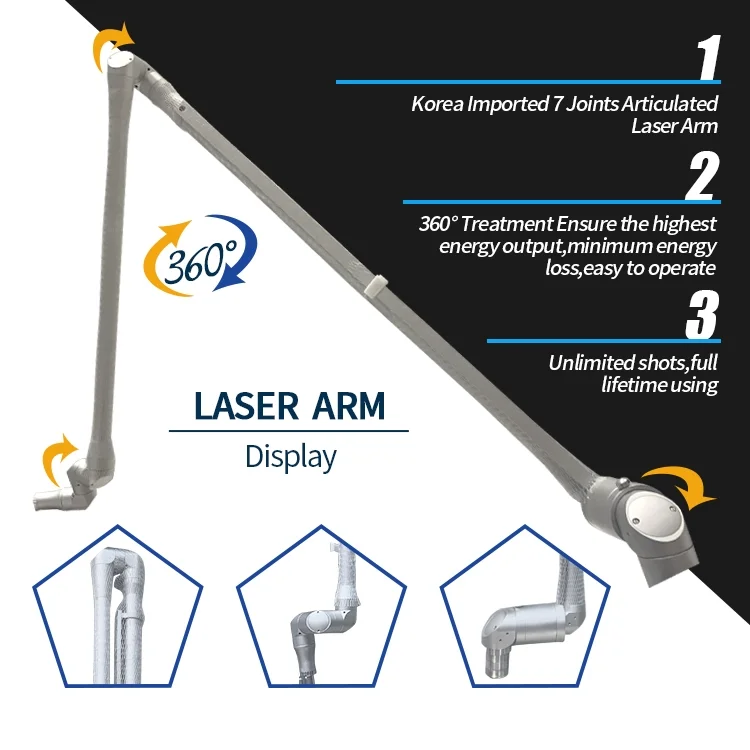
A big plus of the KES laser MED-870+ comes from the 40-watt RF metal tube laser generator brought in from the United States. Glass tubes differ, but this RF metal tube gives a steadier and more even power flow, which means a more level treatment over the skin’s surface. Such exactness trims unneeded “side” heat harm, which brings long redness or issues in poor machines often. Also, the MED-870+ has a small spot size of 0.12mm. This very thin spot size lets deeper entry with a lesser top wound, which speeds up the skin’s normal recovery time a lot versus setups with bigger, less sharp focus spots.
Versatile Output Patterns for Customized Healing
A further main gain lies in the range of the 7 varied output scan patterns on the KES laser fractional system, covering square, circle, and triangle forms. This lets the provider match the laser’s cover to the exact build of the treatment spot, like soft skin around the eyes or wider cheek lines. Skipping overlapping bursts and making sure even energy spread cuts the chance of “hot spots” that bring uneven fix or darkening from swelling.
FAQ
Q: How long does it take for skin to heal after a CO2 fractional laser?
A: Most patients face the main “social downtime” for about 7 to 10 days, during which redness and peeling show most. However, deep dermal healing and collagen remodeling continue for three to six months following the session.
Q: Is it normal to have redness, swelling after CO2 laser treatment?
A: Redness, swelling, and a sensation similar to a sunburn are entirely normal in the first 48 hours. Grid-like patterns and peeling are also expected parts of the fractional healing process.
Q: When can I wear makeup and exercise after the CO2 laser?
A: It is generally advised to wait at least 7 to 10 days before applying makeup, ensuring the skin is no longer peeling or raw. Exercise should also be avoided for the first 5 to 7 days, as sweating and increased body heat can exacerbate swelling and irritation.
Q: How to sleep after CO2 laser treatment?
A: You should sleep on your back with your head elevated by at least two pillows for the first 3 to 5 nights. This elevation uses gravity to help drain excess fluid from the face, which effectively minimizes post-treatment swelling and discomfort.