

What Is a Q-Switch Laser and How It Works
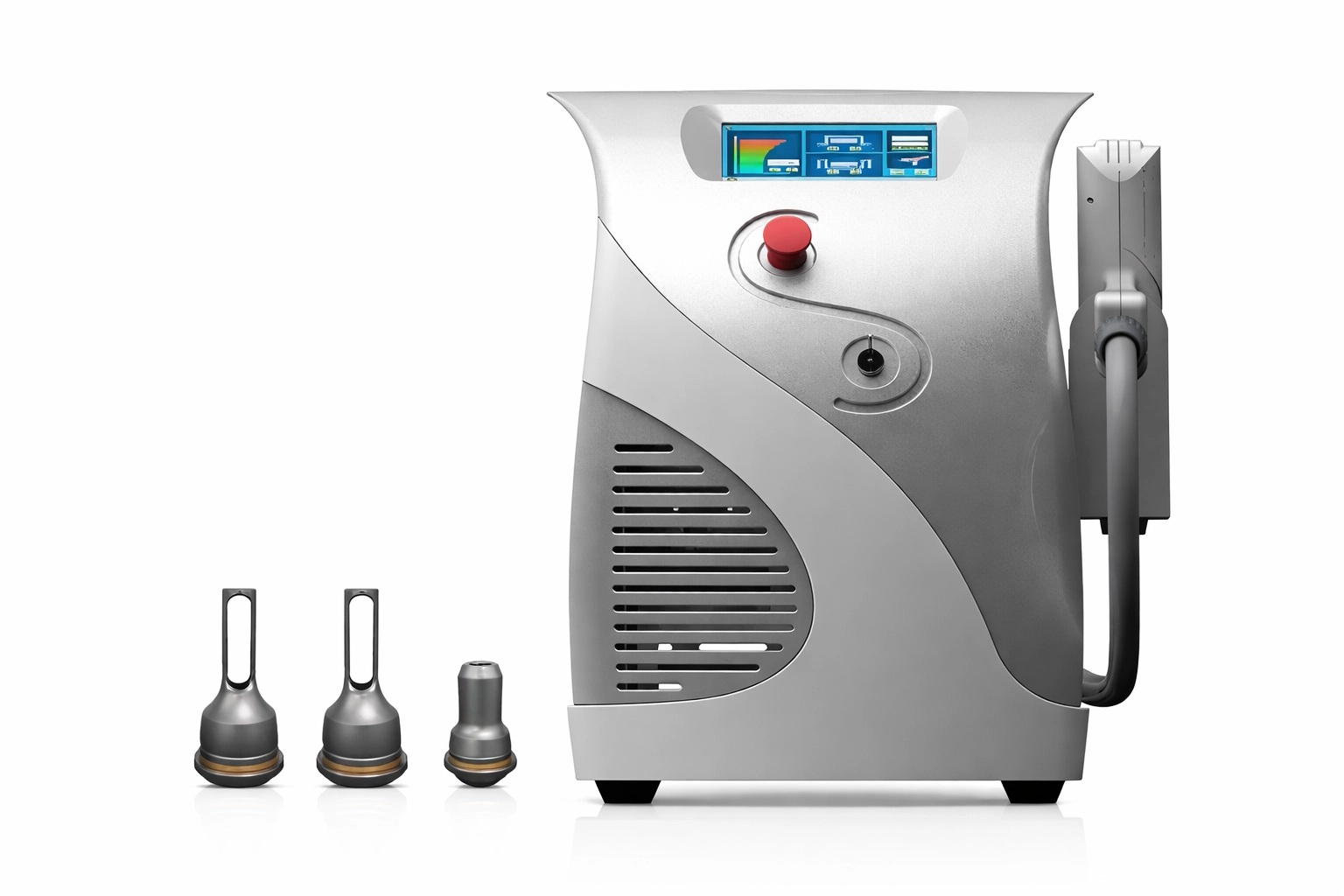
Q-switch lasers create short, powerful pulses that break up tattoo ink particles. These pulses last nanoseconds. The energy shatters the pigment into small bits. The body’s immune system gradually clears these ink pieces.
A key advantage of Q-switch technology is the precise method. The laser focuses straight on the ink pigments. This spares the surrounding skin from damage. Experts make this approach effective for different skin types.
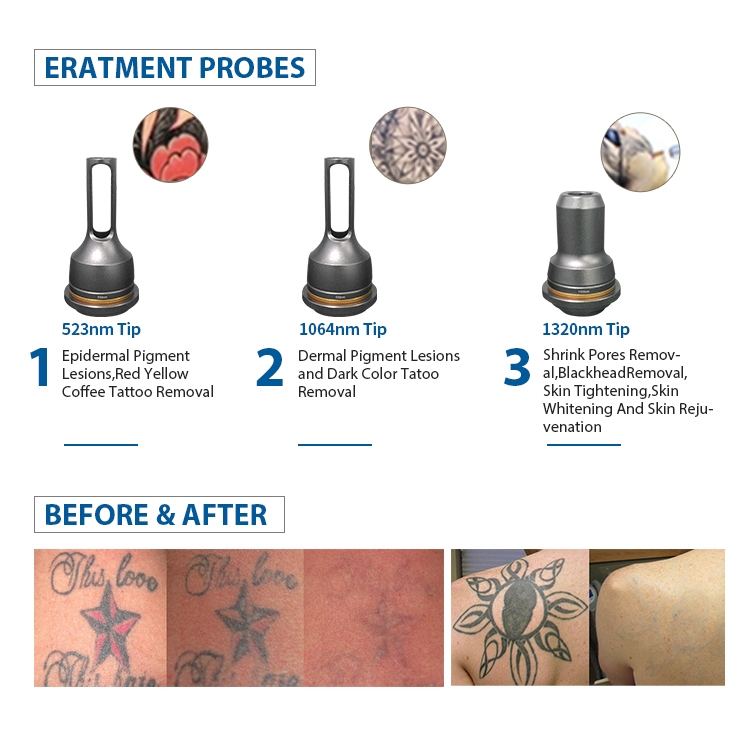
Providers select various wavelengths to target different ink colors. For example, 1064nm works for black and dark blue tattoos. At the same time, 532nm handles red, yellow, and orange pigments more effectively. This variety allows practitioners to tailor treatments to the tattoo’s composition.
Types of Q-Switch Lasers Used in Tattoo Removal
Nd: YAG Lasers
The most common type is the Nd: YAG Q-switch laser. Nd: YAG Lasers work across many skin types due to their flexibility. Devices like the MED-860 Reno from KES laser use dual wavelengths of 1064nm and 532nm. These handle a broad array of pigment colors well. “Top-Hat” Beam Technology – It boosts treatment safety and results by spreading energy evenly.
Ruby and Alexandrite Lasers
These lasers work best on green and blue tattoo pigments. They provide wavelengths like 755nm and lack the broad use of Nd: YAG systems. Still, they help in certain situations.
Dual-Wavelength Systems
The dual-rod Nd: YAG laser serves high-power and high-brightness needs. Machines like KES laser’s MED-810A Tiny provide dual-wavelength options and five changeable tips. These fit a variety of treatments. The designs address different demands for pigment and tattoo removal.
Evaluating the Effectiveness of Q-Switch Lasers in Professional Use
Factors That Influence Tattoo Removal Success
Several factors affect Q-switch laser tattoo removal outcomes:
- Ink Color, Depth, and Type: Dark inks like black take in more laser energy. They fade better than light shades.
- Skin Type and Immune Response: Skin with more melanin needs careful settings. This prevents color changes.
- Age and Location of Tattoo: Older tattoos or those on limbs (like hands or feet) often need extra time. Reduced blood flow slows the process.
Number of Sessions Typically Required for Visible Results
Tattoo removal: Effective with multiple treatments (1Tx, 2Tx, 3Tx, 4Tx). Professional tattoos typically need 6–12 sessions for clear fading. Amateur tattoos fade quicker because the ink sits nearer the skin’s surface. Sessions occur every 6 to 8 weeks. The interval allows the body to remove shattered pigment particles effectively.
Advantages of Using Q-Switch Lasers in a Clinical Setting
Precision and Safety for Various Skin Types
Q-switch laser systems give exact control over energy levels and spot size. Handle light spot adjustable; Multi-detection operation output control. This allows treatment plans that fit each person’s skin tone and tattoo details.
Top-hat beam profile cuts down epidermal harm, tissue texture shifts, and scar risks. The cooling system keeps the equipment running for extended periods and is unrelated to treatment comfort.
Faster Recovery Compared to Alternative Methods
Q-switch laser treatments are non-invasive. Downtime remains low. Patients often return to routines right after sessions. Good aftercare – cleaning and covering the area – speeds healing and ink removal.
Limitations and Considerations in Professional Use
Challenges With Certain Ink Colors and Older Tattoos
Light colors such as yellow, white, and fluorescent inks prove hard to erase. Older tattoos can have spread-out or deeper ink bits. These often demand more sessions.
Potential Side Effects and How to Minimize Them
Typical side effects include brief redness, swelling, or blistering. People with darker skin tones might face risks like hyperpigmentation or hypopigmentation. Trained practitioners lower issues with fitted treatment plans. Devices with changeable pulse energy and spot sizes support safer adjustments.
Comparing Q-Switch Lasers With Other Tattoo Removal Technologies
Differences Between Picosecond and Nanosecond Lasers
Picosecond lasers apply ultra-brief pulse durations (trillionths of a second). This creates smaller ink particle breaks. Patients often need fewer sessions. Costs run higher, though.
Q-Switched Laser with a very short pulse duration of 3-ns helps keep skin free of scarring. While nanosecond lasers might require more sessions for some pigments, they stay quite effective.
When Q-Switch Remains a Preferred Option for Professionals
Q-switch systems like KES laser’s MED-810A series stay popular for their affordability and dependability. Double Rods handpiece single pulse 600mj, max energy 2000mj, twice the energy of a single rod, can remove pigment and tattoo easily and quickly.
With FDA and TUV Medical CE certifications, KES laser devices assure safety and performance across global markets.
Selecting the Right Q-Switch Laser Machine for Your Practice
Key Features to Look For in a Professional Device
When choosing a Q-switch laser tattoo removal machine, focus on:
- Wavelength is 1064nm + 532nm – covers most ink types.
- Spot size is 2mm – 10mm. Adjustable – enables efficient area coverage.
- Fast laser beam delivery, 10 shots/second, treatment procedure greatly reduced.
- Integrated cooling system – improves patient comfort and safety.
KES laser offers customized solutions with five treatment heads in models like MED-810A Tiny to match various clinical demands.
Importance of Manufacturer Support and Training
KES laser provides comprehensive training through manuals and videos. 1 Training video & manual, 5 Minutes fast assembling, 724 Hours Online Training.
After-sales services include multilingual technical support, warranty coverage, and quick response maintenance. These ensure long-term investment protection.
Enhancing Patient Experience With Q-Switch Laser Treatments
Managing Expectations Through Consultation
Honest talk in consultations builds real expectations. Visual samples show likely results based on tattoo type, size, and color details.
Post-Treatment Care Guidelines for Optimal Results
Right after care includes:
- Keeping the area dry
- Avoiding sun exposure
- Applying prescribed ointments
Boost immune function with hydration, solid nutrition, and rest. Drinking enough helps speed up how ink moves. Rest matters too – it gives the body energy for natural defenses. Good food fuels processes that clear particles quickly. When cells work well, results appear faster. What happens inside depends on daily rhythms and intake. Mornings start new cycles if balance exists. Movement isn’t required, but timing shapes outcomes. Even small shifts change performance behind the scenes.
Industry Trends Shaping the Future of Tattoo Removal
Growing Demand for Non-Invasive Aesthetic Procedures
More people now want changes in how they look. Tattoo vanishing remains a rising trend over time. Gentle options like Q-switch lasers fit better with modern beauty choices.
Advancements in Laser Technology Integration
Hybrid systems mix nanosecond Q-switch with picosecond pulses. They appear more often. KES laser’s ongoing R&D keeps the technologies current with these shifts.
Regulatory Standards Driving Equipment Quality
Global certifications such as FDA and CE build trust in equipment. KES laser devices got CE, TUV Medical CE, and FDA, ensuring compliance across professional markets worldwide.
FAQ
Q: How many sessions does it take to remove a tattoo using a Q-switch laser?
A: Many professional tattoos demand 6–12 sessions set 6–8 weeks apart. Pale or amateur tattoos often require fewer sessions.
Q: Can Q-switch lasers remove all tattoo colors?
A: Q-switch lasers work best on dark inks, such as black and blue. Light pigments, like yellow or white, resist removal more and might not vanish completely.
Q: Is the Q-switch laser safe for all skin types?
A: Yes, particularly with devices like KES laser’s MED-860 Reno, which include “Top-Hat” beam profiles that cut epidermal damage. Tailored protocols boost safety for various skin tones.
Q: What is the downtime after a Q-switch laser session?
A: Very little. Most patients return to regular activities right away. Redness or swelling usually fades in a few hours to a couple of days.
Q: Why choose KES laser machines for tattoo removal?
A: KES laser supplies FDA-approved devices with adjustable settings, dual wavelengths (1064nm + 532nm), modern cooling systems, quick treatment speed at 10 shots/second, and solid technical support. These features make the machines perfect for clinics that seek dependable Q-switch laser tattoo removal equipment.