

Understanding CO₂ Full-Face Laser Resurfacing
What Is CO₂ Laser Resurfacing?
CO₂ full-face laser resurfacing serves as a modern cosmetic procedure. It applies carbon dioxide laser energy to clear away damaged skin layers accurately. The system functions by releasing a light beam. Skin water soaks up this beam. The action turns the epidermis into vapor. It also prompts the dermis to create fresh collagen. Ablation and heat stimulation work together. This approach yields smoother, tighter, and younger-appearing skin.
Ablative lasers, like the fractional CO₂ laser, eliminate the outer skin layers. Ablative lasers operate with greater intensity yet stay quite effective. Non-ablative lasers warm the deeper skin tissue. Non-ablative lasers leave the surface intact. Such options deliver milder outcomes plus little recovery time.
Face coverage by CO₂ laser tends to include areas like the brow, cheek zones, eye surroundings, upper lip edge, and lower jaw sections. Lines, scars, or harm from sunlight – this method tackles those signs wherever they appear across the skin visible outdoors.
Common Goals of Full-Face CO₂ Laser Treatments
This treatment suits people who aim to:
- Smooth fine lines and wrinkles, particularly those carved into the skin
- Improve uneven skin texture and tone
- Minimize acne scars and signs of sun damage
The CO2 Fractional Laser Resurfacing removes skin layers using a precise method. During this treatment, the laser vaporizes small columns of skin but leaves surrounding areas intact. These intact areas promote quicker healing. In general, the treatment helps reduce “age spots” (also called sun freckles, liver spots, and lentigines), fine lines, wrinkles, scarring, uneven coloration, skin laxity, textural irregularities, dull tone, and a thinned collagen layer on the face, neck, and chest.
Clinical Indications for CO₂ Full-Face Laser Resurfacing
When Dermatologists Recommend the Procedure
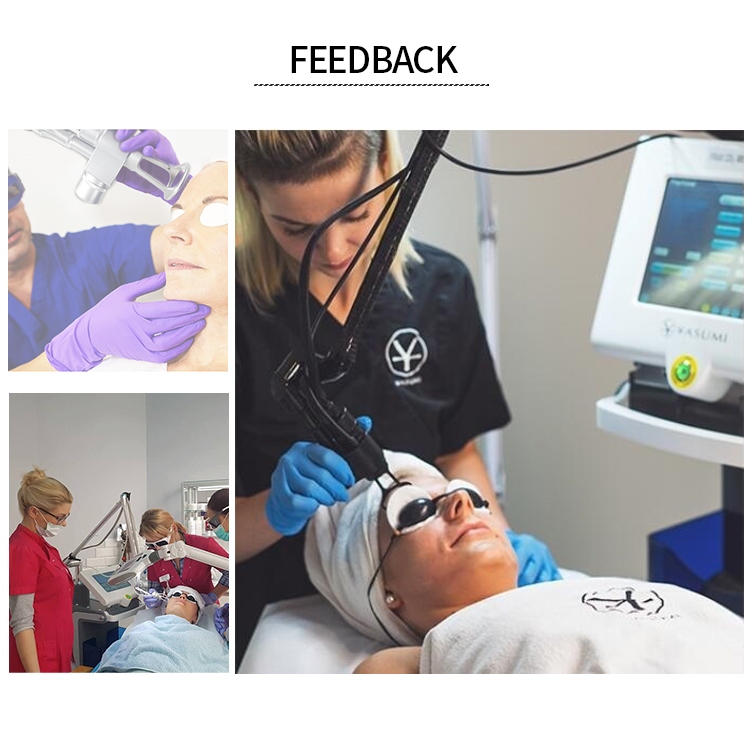
Dermatologists may suggest CO₂ full-face laser resurfacing when:
- Deep facial wrinkles or etched-in lines appear
- Significant sun damage or actinic keratoses exist
- Acne scarring changes the skin’s texture greatly
Skin Conditions That May Benefit from Resurfacing
Besides aging signs, this treatment can help with:
- Scars that bulge too much or shrink way below normal size after injury or old operations
- Uneven pigmentation that resists topical treatments
- Enlarged pores and thickened or leathery skin texture
CO2 Laser Treatment offers a dependable option for folks who want to remove skin flaws like wrinkles, blemishes, scars, and similar issues. Besides enhancing the skin’s look, plenty of people choose this method to handle ongoing skin problems such as birthmarks, lesions, or warts.
Factors That Influence Clinical Suitability
Skin Type and Tone Considerations
Skin tone affects suitability a great deal. The Fitzpatrick scale aids in evaluating risks like post-inflammatory hyperpigmentation (PIH). For darker skin types (IV–VI), providers adjust settings with care to prevent bad effects. KES laser’s CO₂ system provides a mini spot size of 0.12mm for quick skin recovery. This feature allows better control and safer results for various skin tones.
Age and Skin Aging Concerns
The best age range for strong results usually falls between 30 and 65 years. At this stage, collagen levels start to drop. Yet the skin holds some ability to renew itself. However, major skin laxity might need extra procedures for top outcomes.
Medical History and Current Medications
Contraindications include autoimmune diseases, active infections, or recent isotretinoin (Accutane) use. Patients need to disclose details regarding their herpes simplex history. Doctors can then offer preventive antiviral treatment based on that information.
Timing and Frequency of Treatment Recommendations
Situations Where Immediate Treatment Is Advised
People often choose full-face CO₂ laser resurfacing right before important events like weddings or reunions. Book full-face CO₂ laser resurfacing 3–6 months ahead to make sure of full recovery and get the best results. Full-face CO₂ laser resurfacing works well when other skincare options fail to fix the issues.
How Often Can the Procedure Be Repeated?
A single session of broadbeam CO₂ light may last two or three years just because it packs strong energy across thick layers. Afterward, care might shift toward lighter options such as stimulating collagen below the skin’s surface or using tiny pins to renew texture – these step in under the direction of someone trained. Though rare, repeated deep cuts do leave behind steady demands for follow-up work simply to maintain balance.
Outcomes begin to show roughly two months following the procedure’s completion. The body delivers collagen, blood, water, and oxygen to the targeted zone. Such components firm up and refine the skin.
Choosing the Right Provider for CO₂ Laser Resurfacing
Why Experience Matters in Laser Treatments
A single misstep – choosing wrong tools or adjusting things out of place – might lead to burns, scarring, or uneven pigmentation. Because of these risks, selecting an expert who truly understands laser skin treatments becomes essential. At KES laser, support comes in two forms: hands-on education for medical staff and a toolset called Smart Clinics System. Imagine access to step-by-step guidelines displayed right during sessions – these appear as clear digital prompts labeled Clinical protocols. Stability in outcomes improves when protocols are followed closely. Safety climbs alongside precision, shaped by structure rather than chance.
What to Ask During a Consultation Appointment
Patients should ask about:
- Expected downtime
- Pain management strategies
- Number of sessions required
- Examples of before-and-after photos
- Patient testimonials
Preparing for Full-Face CO₂ Laser Resurfacing Treatment
Pre-Treatment Skincare Protocols Recommended by Professionals
Typical Pre-Treatment Steps:
- Application of retinoids or hydroquinone creams may be recommended
- Avoidance of sun exposure for at least two weeks prior
- Cease use of certain medications like aspirin or NSAIDs
Mental and Physical Preparation Tips
What Patients Should Know:
- Healing can take 7–14 days, depending on treatment depth
- Redness may last several weeks
- Time off work or social activities should be planned accordingly
Post-Treatment Recovery Guidelines and Expectations
What to Expect During the Healing Phase
Common Post-Treatment Symptoms:
- Redness, swelling, crusting, and peeling within the first week
- Gradual improvement over 1–2 weeks; full collagen remodeling continues for months
- Wrinkle Removal after 5 sessions
How to Support Skin Recovery After Resurfacing
Essential Aftercare Tips:
- Apply only approved moisturizers and healing ointments
- Avoid direct sun exposure; use SPF 50+ daily
- Follow-up appointments are essential for monitoring progress
Alternatives When CO₂ Resurfacing Isn’t Clinically Recommended
Other Laser Options for Sensitive or Darker Skin Types
Examples Include:
- Erbium YAG lasers: Provide milder resurfacing with shorter recovery time
- Fractional non-ablative lasers: Less invasive with reduced downtime
KES laser offers the ND YAG Pico Laser MED-860 RENO with “Top Hat” Beam Technology – Enhanced treatment safety and efficacy by homogeneous distribution of energy, which makes it suitable for pigmentation concerns in sensitive skin.
Non-Laser Treatments That May Offer Similar Results
Possible Alternatives:
- Microneedling with radiofrequency
- Customized chemical peels tailored for specific pigment or texture issues
KES laser focuses on tailored solutions. These integrate advanced tools like cryolipolysis, RF tightening, IPL photorejuvenation, and smart laser systems. Clinics gain from Smart Clinics Systems. These systems include Marketing and Promotion functions for distributors. Such features boost customer interaction.
FAQ
Q: How long does it take to recover from full-face CO₂ laser resurfacing?
A: Basic recovery lasts 7–14 days. Yet redness often lingers for a few weeks. Complete collagen rebuilding lasts as long as six months.
Q: Is CO₂ laser resurfacing safe for dark skin?
A: Careful adjustments with modern devices like KES laser’s fractional CO₂ laser with mini spot size 0.12mm allow safe use on darker skin types. Experts must oversee the process.
Q: How many sessions are needed for visible results?
A: Many patients notice clear changes after only one treatment. Follow-up sessions can occur every few years.
Q: Can a CO₂ laser treat acne scars effectively?
A: Yes. The procedure works well on both sunken and raised acne scars. It encourages fresh collagen production.
Q: What makes KES Laser’s CO₂ system unique?
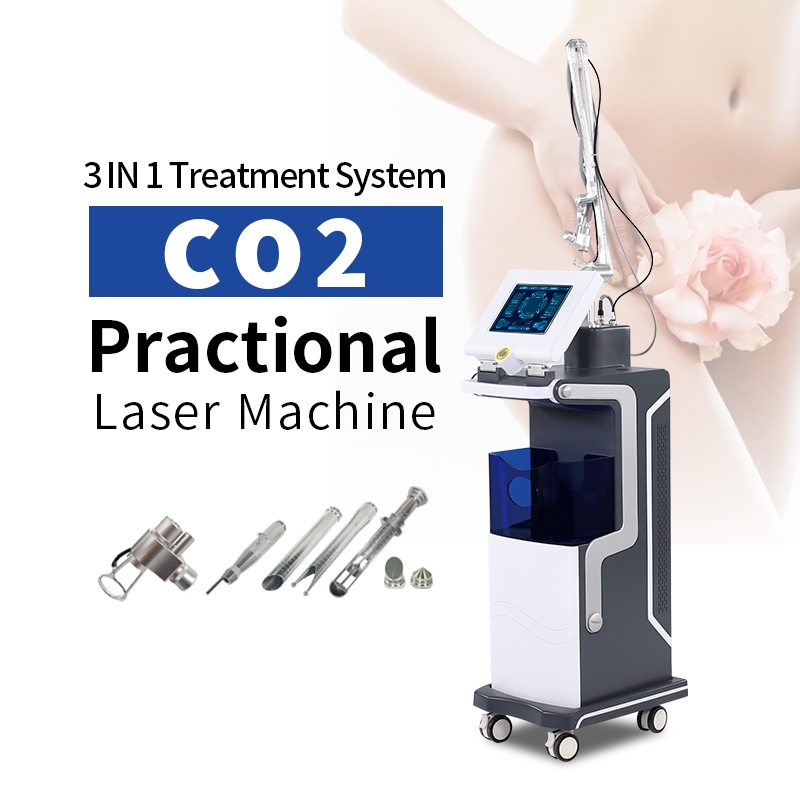
A: The FOCXEL system provides distinct lens sets for fractional work, surgery, and optional vaginal tightening. It supplies U.S. imported 40Watts RF metal tube laser sources. It also features user-friendly Android interfaces for tailored treatments. This design supports secure procedures along with reliable clinic results.
For clinics that aim to improve their service options or for experts who need sturdy medical equipment with lasting assistance, KES laser supplies tailored choices supported by international approvals like CE and FDA.