


Choosing a diode laser hair removal machine is a capacity and risk decision, not simply a specification exercise. A clinic must match the platform to its client mix, treatment areas, daily schedule, operator skills, room conditions, and support expectations. The most persuasive quotation may still be incomplete if it does not define the working configuration or service obligations. This guide gives clinic owners and procurement managers an ordered way to compare diode systems before requesting a final quotation.
Start with the Clinic’s Treatment Profile
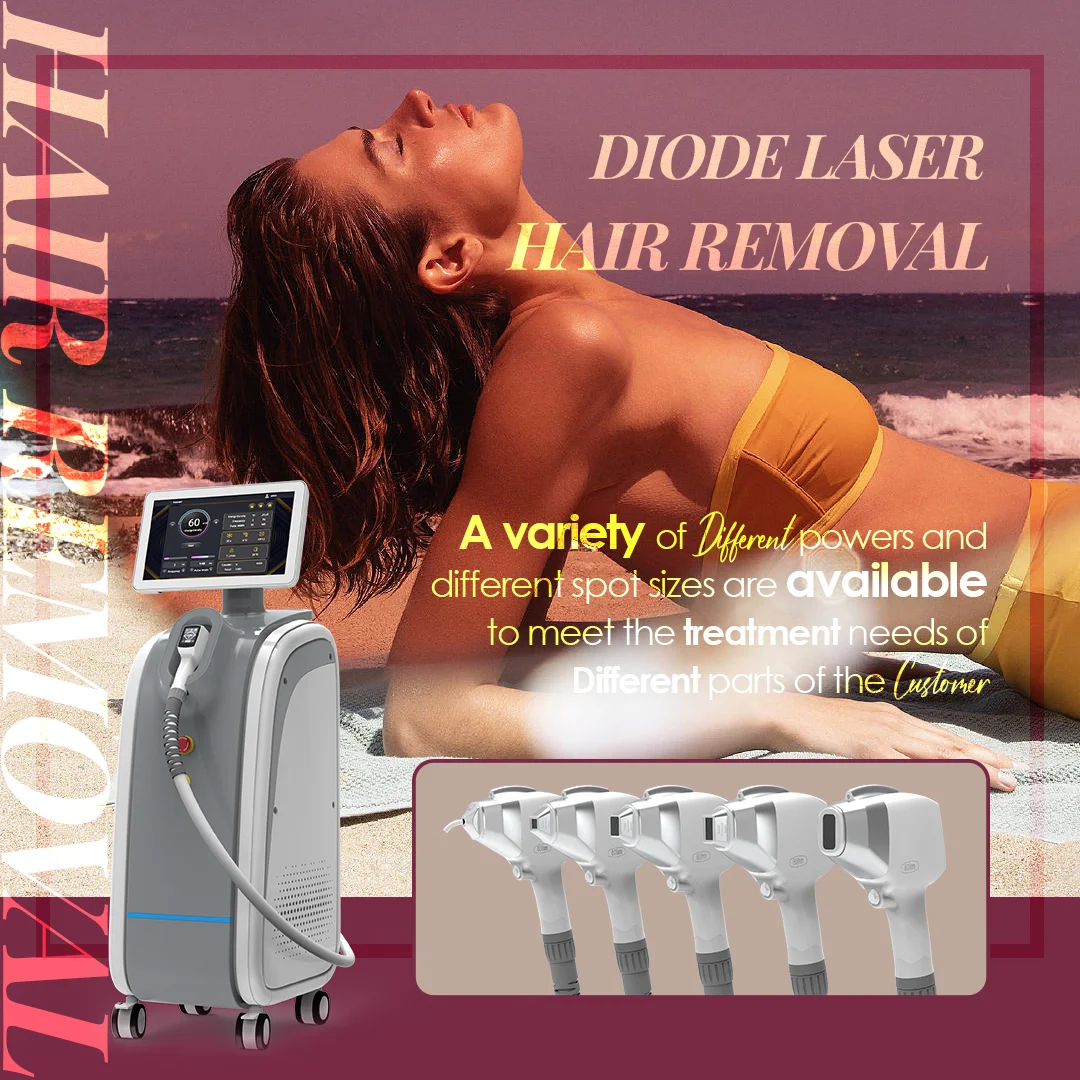
Begin with the work the clinic expects to perform. Record treatment areas, appointments per day, operator experience, room space, and whether the system supports one service or a broader menu. These inputs prevent a high-output configuration from being selected without a matching workload.
Match Wavelength to the Intended Use
A diode platform should be assessed by the wavelength or wavelength combination offered in the quoted configuration. The relevant question is not whether a number sounds advanced, but whether the available configuration fits the clinic’s intended treatment workflow and local professional requirements. Ask for the exact wavelength, handpiece, operating modes, and applicable user documentation.
Treat wavelength as one selection input alongside cooling, spot size, and operator control. Do not assume that a single wavelength or a multi-wavelength design is automatically suitable for every client or treatment plan.
Define the Workload Before Comparing Power
Power is meaningful only when tied to the operating conditions in which it is specified. Ask whether the stated output refers to total system power, diode-stack power, or another manufacturer-defined value. Then compare the expected appointment mix, treatment area, pulse settings, and turnaround requirements under the same assumptions.
The query “1200w diode laser hair removal machine” shows why this distinction matters. A wattage figure should be treated as a configuration detail to verify, not as a standalone ranking. Request the model-specific specification sheet and confirm what is included in the quotation.
Compare the Specifications That Affect Workflow
Once the clinic profile is clear, compare the specifications that influence treatment pace, operator handling, and day-to-day consistency. Use one worksheet for every supplier and record the model, configuration, units, test conditions, and whether each value is fixed or optional.
Evaluate Spot Size and Handpiece Handling
Spot size affects coverage per pulse and the way an operator works around smaller or larger areas. A larger spot may support efficient coverage on suitable areas, while a smaller spot can offer more control around contours. The useful comparison is the available spot-size range, how it is changed, and which handpiece is supplied.
Check handpiece weight, cable movement, trigger design, display feedback, and cleaning access because these affect operator fatigue and room turnover.
Check Cooling as an Operating System
Cooling should be evaluated as part of the complete workflow rather than as a decorative feature. Confirm the cooling method, pre-cooling and contact-cooling behavior, temperature controls, refill or circulation requirements, alarms, and routine checks. Ask how the system behaves during the clinic’s expected schedule and what the operator must monitor.
Do not treat cooling labels as interchangeable. Request the exact user instructions for the quoted model and clarify which parts, fluids, filters, or service tasks are included. A cooling system that is easy to monitor can be more useful operationally than an impressive label with unclear responsibilities.
Review Pulse Control and Duty Cycle
Duty cycle describes how a machine is expected to operate over time, including the relationship between active treatment, cooling, and rest periods. Ask how the supplier defines it and whether the stated condition matches the clinic’s projected schedule. Also verify repetition rate, pulse width, fluence range, and the controls available to the operator.
Avoid converting a single repetition-rate number into an appointment count. Throughput also depends on treatment area, hair density, operator movement, consultation time, cleaning, and room turnover. A sound comparison connects technical values to a realistic operating day.
Verify Configuration, Ownership, and Support
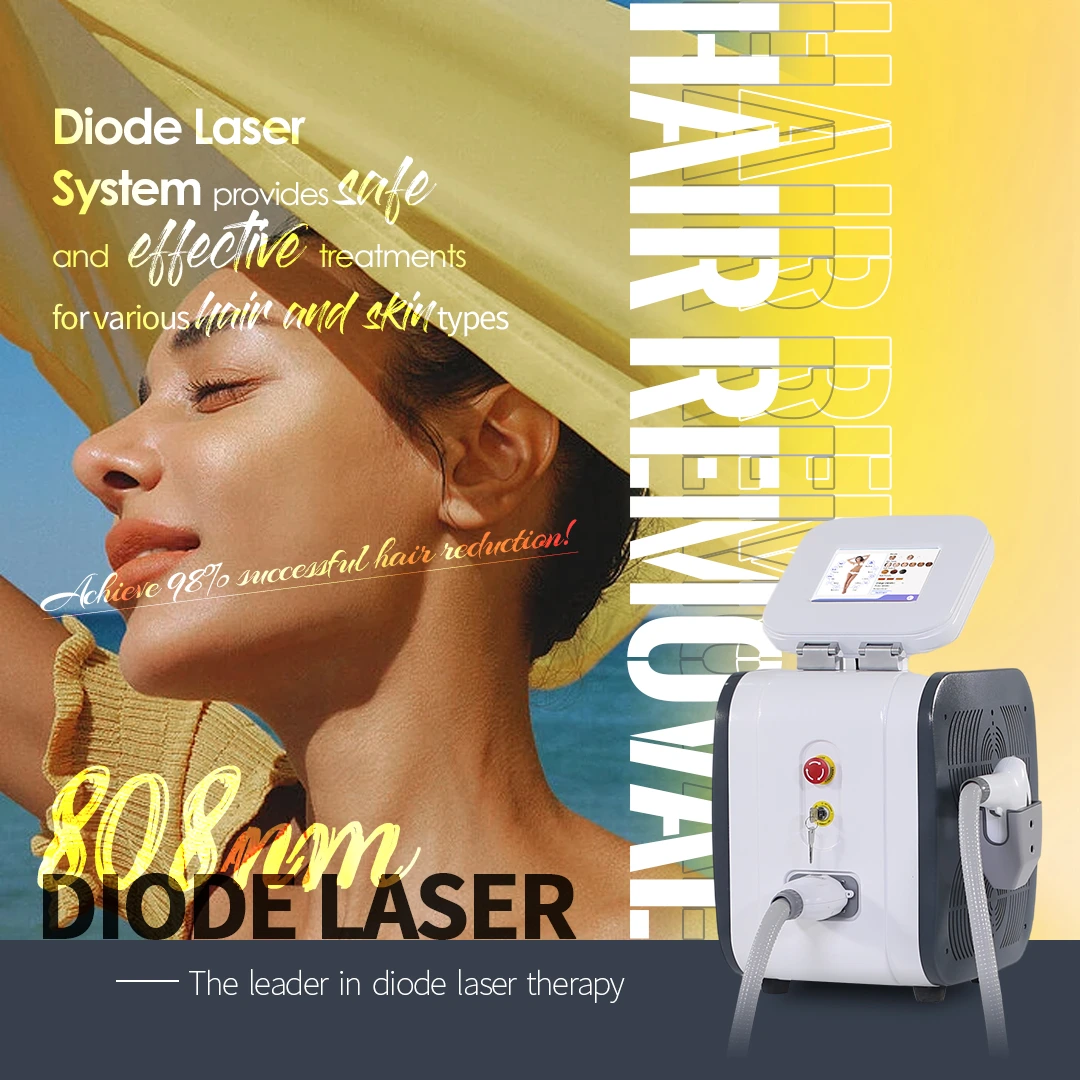
Technical fit is only part of the purchase decision. A clinic should compare the equipment that will actually arrive, the conditions needed to install it, and the support available after handover.
Request a Complete, Itemized Quotation
An itemized quotation should identify the exact model, wavelength configuration, handpieces, spot-size options, cooling components, accessories, shipping basis, installation scope, training, warranty, and tax or customs assumptions. Separate required items from optional upgrades so a low base price does not conceal an incomplete working setup.
Confirm electrical requirements, room access, floor space, cooling conditions, and local installation work before approval. These requirements can change the acquisition budget and launch date.
Compare Training and Service Terms
Training should cover the interface, routine checks, error escalation, and the boundary between operator and technician work. Service terms should state support channels, spare-parts logistics, warranty exclusions, and travel or shipping responsibilities.
Use the official model page to confirm the current configuration, then request a quotation that matches the clinic’s intended workflow. Treat any unlisted option, price, service interval, or performance expectation as a point to verify in writing.
KES laser offers diode laser hair removal configurations for professional buyers, including the MED-808 MAX hair removal machine.
Assess Long-Term Fit and Expansion
Consider how the clinic may use the platform after launch. A focused hair-removal practice may prioritize simple controls, predictable maintenance, and a configuration aligned with its daily case mix. A larger practice may need more than one handpiece, a broader operating range, or support that keeps multiple operators consistent. Ask whether additional handpieces, replacement components, software functions, or training can be supplied for the exact model.
Use a Final Buyer Scorecard
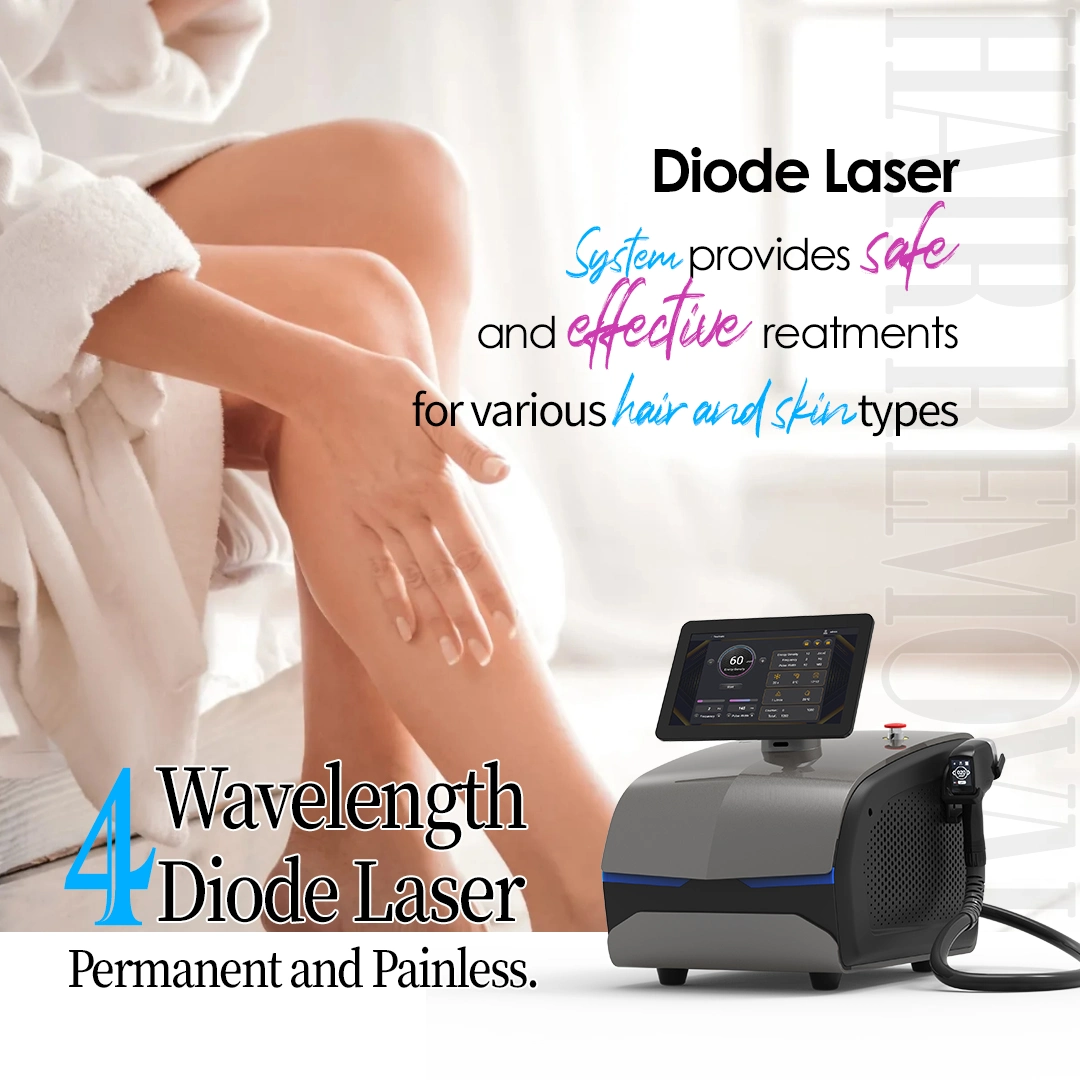
Before selecting a supplier, score each quotation against the same criteria: market fit, wavelength configuration, defined power, spot-size and handpiece options, cooling controls, duty-cycle conditions, installation, training, warranty, service access, and delivered cost. Give each criterion a pass, limitation, or quotation-required status.
The scorecard should make tradeoffs visible. A machine with a higher headline specification may be a poor fit if its configuration is unclear or its service route is difficult to verify. Conversely, a simpler platform can be a sounder purchase when it matches the workload and has clear operating and support terms.
KES laser’s diode laser hair removal machine category can be used as a starting point for model-specific comparison. Confirm the current configuration before requesting a quotation.
For training and technical support, review the service options that apply to the intended purchase. The final decision should be based on written model and service terms.
FAQ
Q: What should a clinic check in a diode laser hair removal machine?
A: A clinic should check wavelength configuration, defined power, spot size, handpiece design, cooling controls, pulse settings, duty-cycle conditions, installation needs, training, warranty, service access, and delivered cost. Compare the exact working configuration rather than a base model, and ask the supplier to identify every required accessory or condition in writing.
Q: Why does a clinic need to compare diode laser hair removal machine wavelengths?
A: Wavelength affects how the quoted configuration fits the clinic’s intended workflow and local professional requirements. It should not be judged alone. Compare the available wavelength or combination with spot size, cooling, controls, operator training, and the treatment profile the clinic expects to serve.
Q: Is a 1200w diode laser hair removal machine automatically better?
A: No. A 1200W label does not explain whether the figure refers to total system power or another defined value, nor does it establish workflow fit. Ask for the model-specific specification sheet, operating conditions, cooling details, and included configuration before comparing the number with another quotation.
Q: What cooling details should buyers request for a diode laser hair removal machine?
A: Request the cooling method, control range, refill or circulation requirements, alarms, routine checks, and the operator’s responsibilities. Also confirm which components and service tasks are included. Cooling should be assessed against the clinic’s expected schedule and the exact model, because labels alone do not define operating behavior.
Q: How can clinics compare a professional laser hair removal machine quotation?
A: Use one scorecard for every supplier and record the model, configuration, wavelength, power definition, spot size, cooling, duty-cycle conditions, installation, training, warranty, service terms, and delivered cost. Mark unsupported inputs as quotation required. Select the option with the clearest fit and verifiable ownership conditions, not simply the largest headline specification.