

1. Introduction to CO₂ Fractional Laser Technology
What is a CO₂ Fractional Laser?
A CO₂ fractional laser serves as a modern resurfacing system. The system employs a sharp beam of light at 10,600 nm to address skin flaws accurately. The laser creates small columns of controlled heat damage in the skin. Surrounding tissue stays untouched to support quicker recovery. The CO2 Fractional laser resurfacing fractionally removes layers of skin tissue. Columns of skin get removed. Skin around each column remains intact to help with healing. This method reduces age-spots, also known as sun freckles or liver spots. It also tackles fine lines, wrinkles, scarring, uneven skin color, skin laxity, textural issues, dull tone, and a thinned collagen layer on the face, neck, and chest.
This fractional approach activates the body’s natural repair process. The process boosts production of new collagen and elastin. Over time, the skin becomes smoother, firmer, and refreshed.
Benefits of CO₂ Fractional Laser for Skin Rejuvenation
CO₂ fractional laser treatment gains wide recognition for restoring youthful skin texture and tone. The treatment boosts collagen production deep in the dermis. At the same time, it resurfaces the outer layers for clear improvement. The procedure enhances firmness and elasticity. It also reduces pores and scars. Results start to appear about two months after the treatment ends. The body sends collagen, blood, water, and oxygen to the treated area. These elements tighten and smooth the skin. Since only parts of the skin receive treatment at one time, recovery happens faster than with traditional ablative lasers.
2. Common Applications of CO₂ Fractional Laser Treatments
Treatment of Wrinkles and Fine Lines
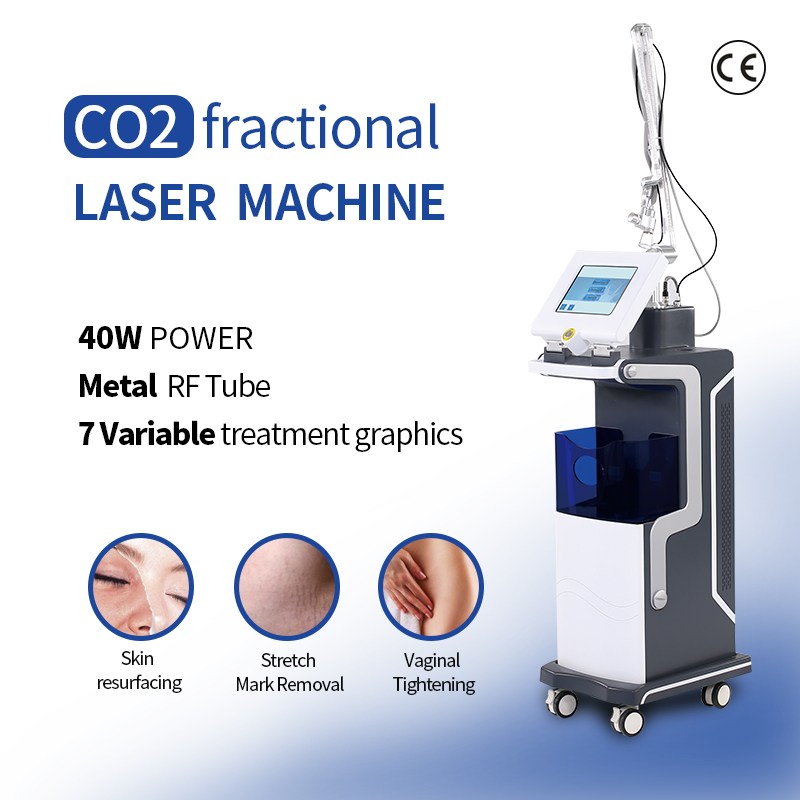
CO₂ fractional lasers work well to lessen wrinkles. They do this by encouraging collagen remodeling below the surface. The treatment focuses on typical aging spots. These include periorbital lines, known as crow’s feet, forehead wrinkles, and nasolabial folds. Patients use repeated sessions with professional devices like the KES laser MED 870+. As a result, patients gain smoother texture and skin that looks younger.
Improvement of Skin Texture and Tone
Uneven tone or rough texture from aging or sun exposure improves greatly with this laser system. The system vaporizes damaged epidermal cells. Below the surface, it encourages regeneration. In this way, it brings back a balanced complexion.
Reduction of Scars and Pigmentation
CO₂ fractional lasers prove very effective for acne scars, surgical scars, stretch marks, hyperpigmentation, and sun damage. CO2 Laser Treatment offers a solid option for people who wish to remove skin flaws such as wrinkles, blemishes, scars, and more. Precise micro beams target scarred tissue. Healthy areas stay preserved for the best recovery.
3. Key Treatment Variables in CO₂ Fractional Laser Procedures
Adjusting the Laser Energy Level
During a CO₂ fractional laser procedure, practitioners change energy output to fit each patient’s needs. Higher energy levels reach deeper into the dermis for serious wrinkles or scars. However, higher levels call for longer recovery time. Devices like KES laser MED 870+ deliver 40 W RF metal tube power. This power ensures a steady energy supply with adjustable fluence settings for safe and strong results.
Modifying the Density of Laser Beams
Beam density sets how many micro thermal zones form per square centimeter. Greater density raises the resurfacing strength. However, it also increases downtime. Skilled practitioners balance density with care. They aim to get the most results while cutting discomfort.
Depth and Number of Treatment Passes
Treatment depth affects how much tissue remodeling takes place. Shallow passes work on texture improvement. Deeper passes handle deep wrinkles or scar tissue. The MED 870+ includes seven scanning patterns: square, circle, and triangle. These patterns suit different areas exactly.
4. Personalizing CO₂ Fractional Laser Treatments
Skin Type Considerations
Various Fitzpatrick skin types react differently to laser energy. Lighter tones handle higher fluence well. Darker tones need careful settings to prevent post inflammatory hyperpigmentation. KES laser systems permit fully tailored options. Adjustable pulse width ranges from 1 to 15 ms. Spot size reaches up to 20×20 mm. Passed strict Clinical & Quality testing by Germany TUV Medical CE. These features ensure safety for all types.
Targeting Specific Skin Concerns
Customized plans form based on specific issues. Wrinkles require deeper ablation. Acne scars benefit from several low density passes. Pigmentation calls for even superficial coverage. KES laser engineers create tailored handpieces. Examples include fractional or UltraPulse modes. These modes fit various needs. Such needs cover facial rejuvenation or vaginal tightening.
5. Safety Measures During CO₂ Fractional Laser Procedures
Patient Protection and Safety Protocols
Safety starts with protective eyewear for both the operator and patient in every session. Equipment calibration occurs before each use. This step guarantees consistent output energy. The U.S. imported a 40Watts RF metal tube laser generator that provides excellent performance and a long lifetime. Sterile conditions help avoid infection risk during post treatment healing.
Monitoring Patient Comfort
Topical anesthesia reduces discomfort during the treatment. Integrated air cooling systems keep the temperature steady on the epidermis surface, from –4 °C to +4 °C. Practitioners watch in real time. They adjust parameters right away if needed.
6. Post-Treatment Care and Recovery
Immediate Post-Treatment Care
After a session, mild redness or swelling may occur. These effects feel like sunburn and last a few days. Treated areas need to stay clean with gentle cleansers. This practice prevents infection. Prescribed moisturizers aid barrier repair. Peeling fades on its own.
Long-Term Skin Care After Laser Treatment
Sun protection matters greatly after any CO₂ fractional laser procedure. New skin reacts strongly to UV radiation. Patients should apply broad spectrum SPF 50 sunscreen each day. Gentle hydrating serums with hyaluronic acid or peptides help too. These products support ongoing collagen regeneration.
7. Choosing the Right Practitioner for CO₂ Fractional Laser Treatment
Qualifications and Experience
Pick an experienced practitioner trained in aesthetic laser dermatology. Such training leads to the best outcomes with few complications. Certified experts know advanced platforms like the KES laser. KES laser follows safe operation based on international standards such as CE and TUV Medical CE certification.
Questions to Ask During Consultation
Prospective clients should pose certain questions. Which model gets used—the fractional mode or Ultra Pulse? What recovery times do patients expect? How many sessions lead to clear improvement? Knowing possible side effects sets realistic goals. This knowledge comes before a tailored treatment plan starts. The plan fits individual aims.
FAQ
Q: How does a CO₂ fractional laser procedure work?
A: The procedure sends out microscopic beams. These beams remove small columns of damaged tissue. New collagen forms around the columns. The result brings smoother, refreshed skin.
Q: How many sessions of the treatments are required for the best results?
A: Most patients notice improvement after one session. Yet three to five treatments, spaced four weeks apart, deliver the best long term rejuvenation. The number depends on the severity of the condition.
Q: Is CO₂ fractional laser safe for dark skin tones?
A: Yes. Proper parameter changes make it safe. Customized options in KES laser systems help. These systems have precise control interfaces. Testing under TUV Medical CE standards confirms safety.
Q: What downtime should be expected after skin recovery treatment?
A: Recovery usually takes five to seven days. This duration depends on the energy level. Mild redness may linger for a short time. Makeup can often be applied after one week.
Q: Why choose KES laser equipment for clinics?
A: KES laser provides FDA approved high performance devices. The MED 870+ stands out. It features U.S.–imported RF metal tubes. Output energy stays stable up to 40W. Mini spot size measures 0.12 mm. These traits ensure quick recovery. The equipment suits professional aesthetic centers. Clinics seek reliability and proven clinical results in more than 115 countries.