

1. Introduction: Tattoo Removal as a Growing Trend in Aesthetic Medicine
The popularity of tattoos has increased sharply around the world. This rise has caused a matching growth in the need for professional tattoo removal. Patients today want safe, effective, and low-impact treatments to get rid of unwanted tattoos. Tattoo removal ranks as one of the quickest-expanding services in aesthetic medicine. Medical centers like dermatology clinics and hospitals now see tattoo removal as a key service. This service boosts the treatment options and brings in more revenue. Buying advanced laser systems guarantees steady clinical results, patient safety, and smooth operations. Picking the correct equipment matters a lot. Tattoo removal equipment cost differs a great deal based on technology, brand reputation, and performance level.
2. How Tattoo Removal Machines Work
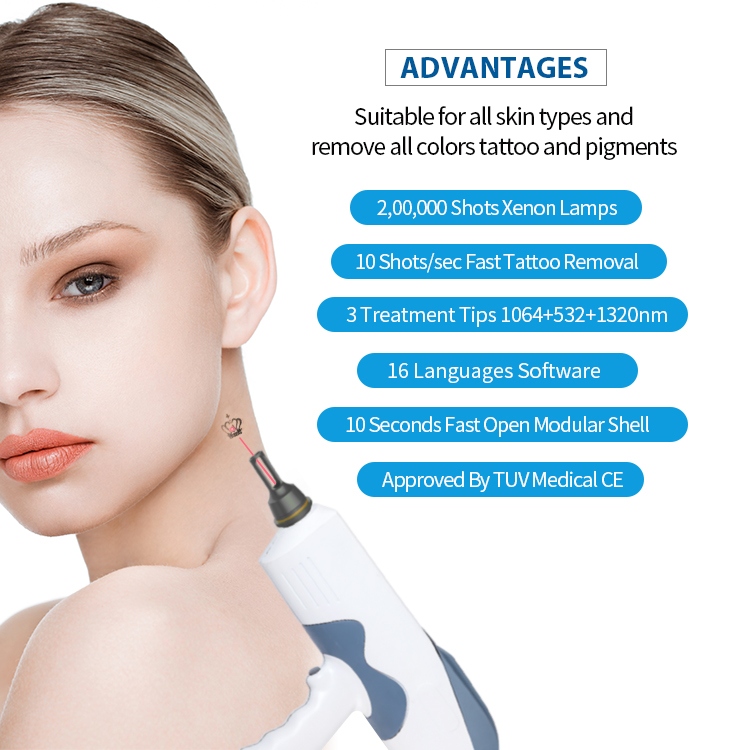
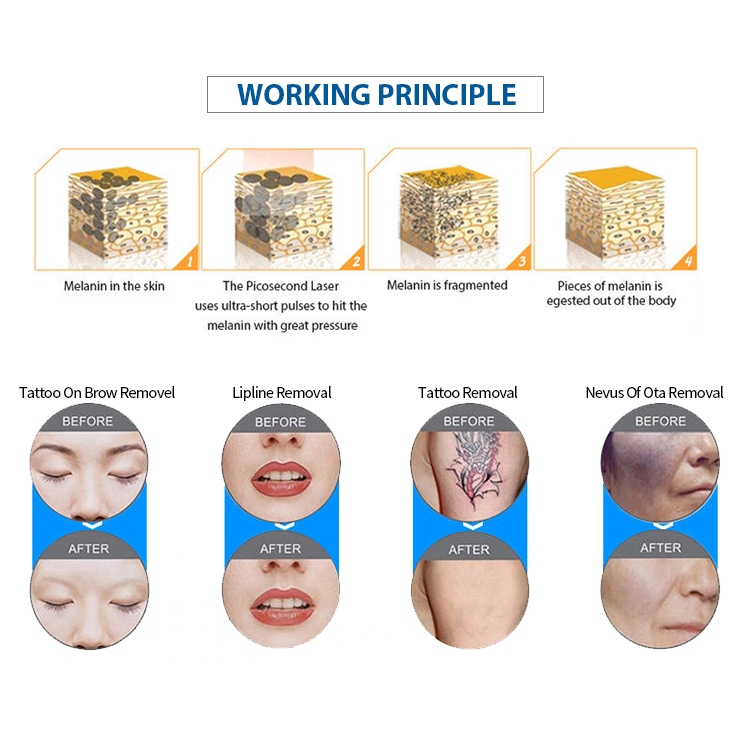
Tattoo removal machines depend on strong laser pulses. These pulses break ink particles into very small pieces. The body’s lymphatic system then removes these pieces naturally. The devices apply particular wavelengths to hit specific pigment colors. This approach avoids damage to nearby tissues. Common laser types cover Q-switched systems, picosecond lasers, and multi-wavelength devices.
“The specific laser wavelength acts on the tattoo pigments and melanin of the epidermis and dermis. The melanin and pigments begin to swell and explode into tiny particles after absorbing this high-energy laser.”
Modern systems, such as the MED-810A Q Switch ND YAG Tattoo & Pigmentation Removal Machine, limit skin harm through air and water cooling methods. These systems keep energy output steady for reliable outcomes.
3. Cost Breakdown of Tattoo Removal Equipment
Tattoo removal equipment costs start at about $5,000 for basic models. High-end medical-grade systems can exceed $80,000. Basic units often include simple Q-switched technology. Small clinics or new businesses find these units suitable. Advanced systems like picosecond lasers provide quicker results with fewer sessions. However, these systems carry a higher price. Factors that shape cost consist of brand reputation, number of wavelengths, energy output level, cooling methods, and software features. Clinics that handle many patients usually select multi-purpose units. These units merge tattoo removal with skin rejuvenation functions to boost return on investment.
4. Key Features That Impact Tattoo Removal Equipment Cost
Laser type stands as the main element that affects pricing. Q-switched lasers work well and cost less for removing dark pigments. Picosecond lasers bring better accuracy at faster speeds. However, picosecond lasers cost more.
“Double laser rods with super energy 1600mj, spot size 2 times larger, high efficiency, and 50% treatment time saved.”
Power output shapes treatment speed directly. Greater wattage allows deeper reach for tough multicolor tattoos. Cooling systems, such as a compressor or twin radiator cooling, raise patient comfort in procedures. These systems hold steady temperature control across sessions. FDA or CE certifications increase value by meeting global safety rules. Professional medical centers value these certifications for lasting dependability.
5. Buying New vs Pre-Owned Equipment
Buying new tattoo removal machines gives access to warranties, better features, and stronger energy stability. These elements prove vital for steady clinical results. Pre-owned machines look cheaper at first. Yet, these machines often lead to surprise maintenance expenses from worn parts or old software. For instance, KES laser supplies tailored options. Clinics can upgrade current systems or add new parts based on changing business demands.
6. Hidden Costs Beyond Initial Purchase
The purchase price does not cover all expenses. Operational costs include supplies like handpieces or xenon lamps. Operators must replace these items after many uses.
“The lifetime of a xenon lamp is more than 1,000,000 shots.”
Training expenses count as another big item. Certified operators guarantee safety and top performance in treatments. Facilities also face software update charges. These charges keep systems up to date with fresh clinical guidelines or rules.
7. Maximizing ROI on Tattoo Removal Equipment
Clinics can gain solid profits by setting prices based on sessions. Prices depend on tattoo size and color difficulty. A standard clinic asks $100–$500 per session. Mid-range systems like KES laser’s MED-810A Tiny or MED-860 Reno series help reach break-even in one year. These systems use “Top-Hat” beam technology for better accuracy and less downtime. The devices speed up results per session. This speed cuts treatment cycles by up to 50%. As a result, clinics book more patients each day.
8. Choosing the Right Tattoo Removal Equipment
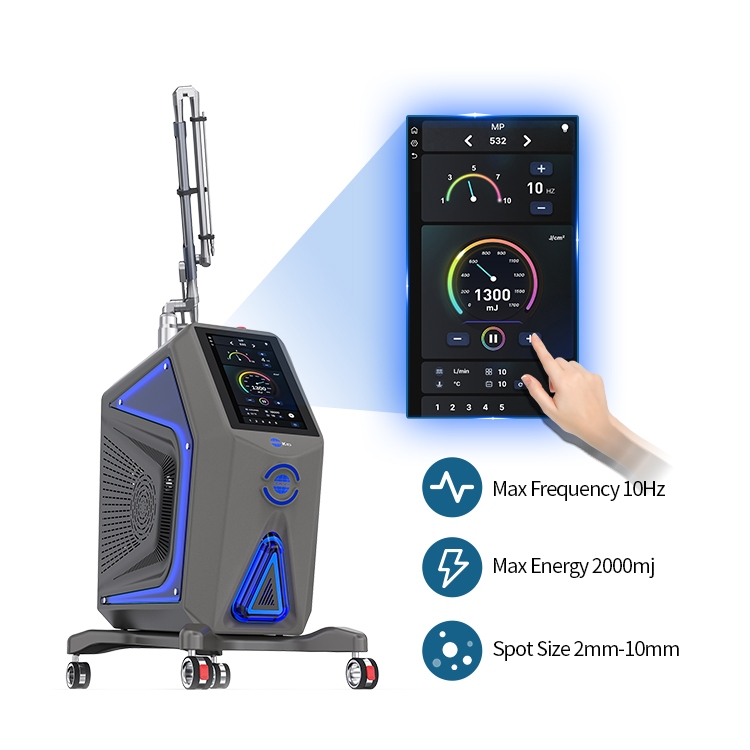
Selecting the proper equipment means matching wavelength options with patient groups and tattoo details. Multi-wavelength lasers deal with various pigments well. For example, “Wavelength is 1064nm + 532nm standard; Fractional tip optional.”
Clinics need to check the space before choosing portable tabletop units or large stationary platforms. The MED-860 RENO Nd: YAG Pico Laser System counts as one such platform. This system features “Top Hat” beam uniformity that lowers the scarring chance. The system keeps high energy density up to 2000mJ at 1064nm wavelength. Working with makers who offer clear pricing and custom support after sales aids easy setup in current operations.
9. Conclusion: The Future of Tattoo Removal Services
Global need for advanced tattoo removal keeps growing. Consumers gain more awareness of aesthetics. People seek clear skin fixes. New technologies like picosecond lasers change clinical results. These lasers shorten recovery time. Pigment removal rates rise by over 50%. Professional centers that pick certified equipment from proven makers like KES laser can expand services past basic dermatology. This choice creates lasting growth chances through tailored options focused on patient happiness.
FAQ
Q: What is the average tattoo removal equipment cost?
A: The average cost ranges between $5,000–$80,000 depending on technology level; picosecond lasers are generally more expensive than Q-switched models due to higher precision performance.
Q: How many wavelengths should a professional tattoo removal machine have?
A: Ideally, two or more—1064nm targets dark inks while 532nm removes red or brown pigments; some models offer additional fractional tips for rejuvenation treatments.
Q: How long does a professional tattoo removal machine last?
A: High-quality devices such as KES laser’s MED-810A series feature xenon lamps rated over one million shots, ensuring years of reliable operation under continuous use.
Q: Are CO2 laser machines suitable for tattoo removal?
A: CO2 lasers primarily target skin resurfacing rather than pigment fragmentation; Nd:YAG-based systems remain the gold standard for safe tattoo elimination.
Q: Why choose KES laser equipment?
A: KES laser provides FDA/CE-certified machines backed by over fifteen years of research across 115 countries offering customized solutions combining safety, efficiency, and proven clinical outcomes in aesthetic medicine applications, including tattoo removal equipment cost optimization strategies.