CO₂ Laser Treatment can improve the appearance of stretch marks, especially when the goal is to soften texture, reduce contrast, and make the lines blend more naturally with surrounding skin. It is a gradual improvement, not a one-visit fix. Results depend on how old the marks are, how deep they go, where they sit on the body, and how the skin responds during healing. The useful question is not whether it works at all, but how much change you can realistically expect.
How Does CO₂ Laser Treatment Work?
Fractional treatment uses controlled energy to create microscopic zones inside the skin. Instead of removing the entire surface at once, it leaves surrounding tissue intact so healing can move more predictably. That is one reason the method is often discussed for scars, texture changes, and stretch marks.
The light used in a fractional CO₂ system is absorbed strongly by water in skin cells. In practical terms, the energy creates precise micro-wounds inside small columns of tissue. The body then responds with repair activity, including collagen and elastin rebuilding.
That healing response is the mechanism behind improvement. A stretch mark may look smoother, softer, and less sharply edged as the dermal structure remodels. Even so, the change is progressive. People usually notice clearer results after a series of sessions.
What Improvement Can You Expect?
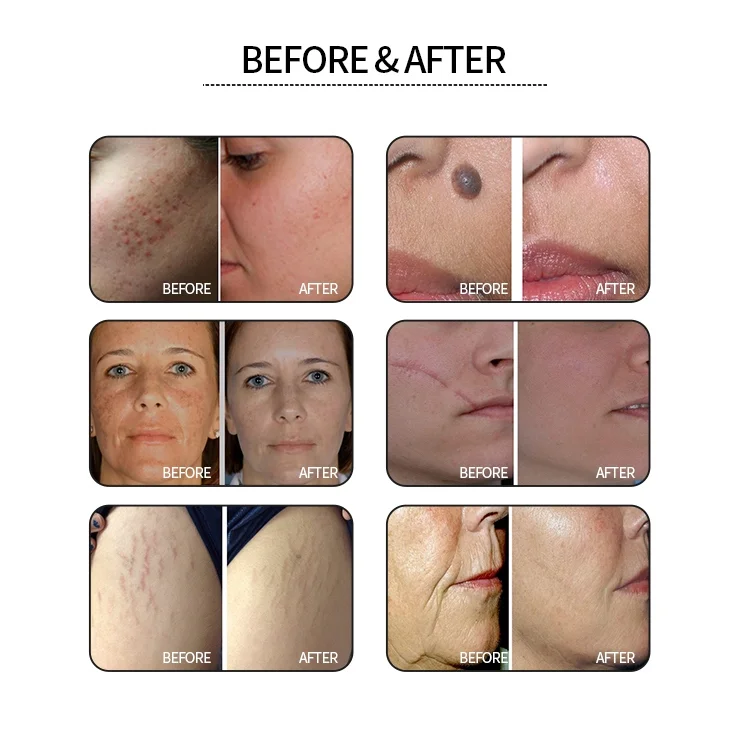
The most realistic outcome is a visible softening of the lines. You should not expect a perfect erasure. A solid course of treatments can certainly make stretch marks look significantly less indented. They become much less obvious under bright light. Ultimately, they appear closer in tone to your surrounding skin.
Newer red or dark purple marks frequently respond quite differently compared to older white ones. Fresh marks may display a much more noticeable colour fading. On the other hand, mature marks tend to improve mostly through better texture and gentle edge softening.
New Marks Versus Mature Marks
Newer stretch marks usually carry more active colour. These marks may respond better to changes in redness and contrast. Mature marks are often lighter and flatter. The goal therefore shifts toward smoothing and blending. That difference is why two people can see different results.
Older stretch marks can still improve. These marks often need more time and a more careful plan. The treatment should be measured in progress instead of perfection.
How Many Sessions May Be Needed?
Most stretch mark plans involve more than one session because collagen remodeling takes time. A single treatment can start the process. The skin continues to respond for weeks. Results tend to build in layers rather than appear all at once.
The number of sessions depends on mark depth, treatment area, and how strongly the skin can be treated. A plan needs enough spacing for the skin to calm down. The plan also needs enough repetition for visible change to accumulate.
What Recovery Usually Looks Like
The first day or two can easily bring noticeable redness, warmth, and mild swelling. You might also experience a tight or slightly itchy feeling. That physical response is completely normal after any fractional resurfacing. Your treated skin may also peel or gently flake during the very first week. This happens as the outer layer naturally renews itself.
What Recovery Usually Feels Like
The recovery period is usually quite manageable. However, it remains very noticeable. Your treated skin can feel quite dry, highly sensitive, and slightly rough while it slowly settles. Small crusts or tiny darker dots might appear exactly where the laser energy landed. These little spots will then fade away as your skin fully renews.
People generally do much better when they expect a proper recovery window. You should not expect a rapid weekend turnaround. The treated skin simply needs adequate time to calm. If the redness or physical discomfort seems unusually strong, you should contact the treating professional without any delay.
Aftercare and Safety
Proper aftercare matters deeply because the skin surface stays temporarily much more vulnerable. You must avoid picking at any flakes. Do not rub the treated area. Also, avoid exposing the fresh treatment zones to any unnecessary sun. Gentle daily cleansing, rich moisturising, and strict sun protection can greatly support a much smoother recovery.
If sudden swelling, strange discharge, blistering, or odd colour changes seem entirely out of proportion, get help. The situation must be reviewed quickly rather than simply ignored. Good aftercare is not merely about physical comfort. Proper daily care also strongly helps the final result stay smooth and even.
How Should Clinics Evaluate a CO₂ Laser Platform?
A clinic reviewing equipment needs more than a headline wavelength. It should look at scan control, handpiece options, cooling, maintenance, and whether the platform fits the skin work the clinic performs. Patient comfort matters, but so do speed, precision, and support after purchase.
Which Features Matter Most?
The most useful details affect day-to-day treatment. These details include wavelength stability, pattern control, repair quality, and service access. A platform that handles resurfacing smoothly but is hard to maintain can become more expensive quickly. Training matters as much as the laser itself.
What Does KES Laser Offer?
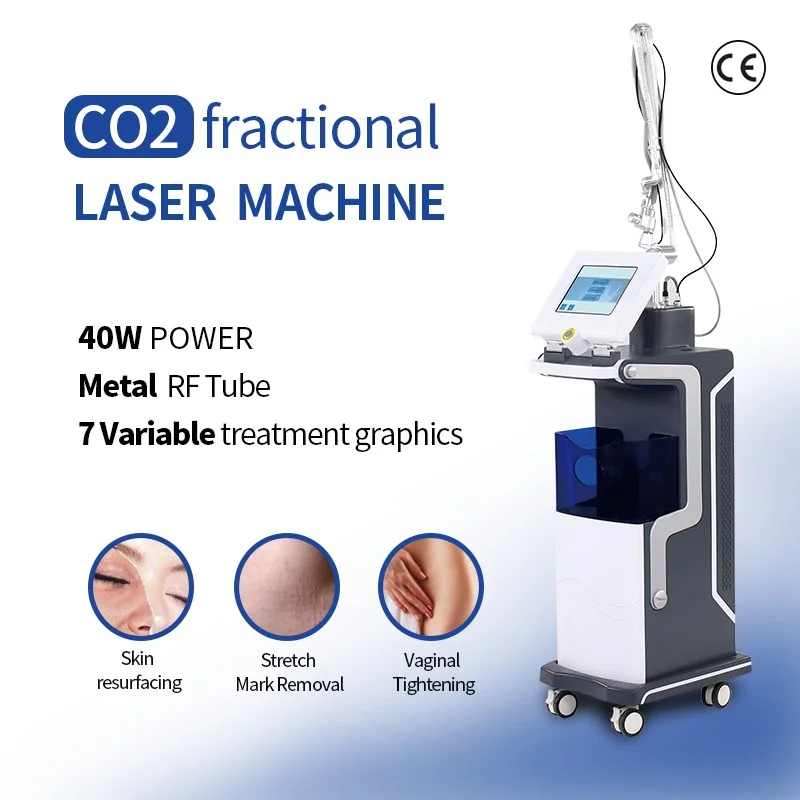
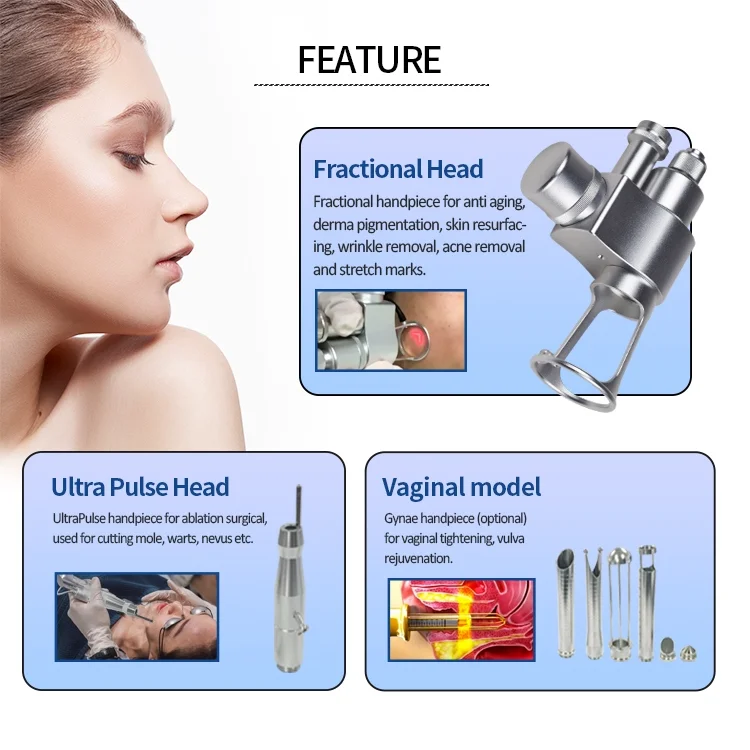
KES laser’s Fractional CO2 Laser Machine is presented as a 10,600 nm platform that uses microscopic thermal zones to support skin regeneration and collagen remodeling. Its fractional handpiece applications include skin rejuvenation, acne removal, scar removal, and stretch mark removal, plus UltraPulse and gynae handpiece options.
KES laser has developed light-based medical and aesthetic laser equipment since 1999 and offers OEM and ODM support. If a clinic wants to ask about setup, support, or cooperation details, it can
send those questions directly to KES laser. For a patient, the important point is that the machine should match the treatment goal, the healing tolerance, and the level of supervision behind the care plan.
FAQ
Q: Are newer stretch marks easier to improve than older ones?
A: Usually, yes. Newer red or purple marks often respond more visibly in colour. Older white marks tend to improve more in texture and blending. That does not mean mature marks cannot improve. The treatment plan should match the stage of the mark.
Q: How long does it take to see results?
A: Some early redness or swelling may appear first. The skin can look more active before the area looks better. Visible changes usually build over several weeks as collagen remodeling continues. A series of sessions is often more realistic than a single appointment. This approach is especially true when the marks are deeper, wider, or more established.
Q: Is CO₂ Laser Treatment painful?
A: Physical comfort varies widely by the specific treatment area and the machine settings. It also depends on your personal pain sensitivity. A strong topical numbing cream is very commonly used right before the procedure begins. The active session frequently feels quite warm, slightly prickly, or very tight. It rarely feels sharply painful. Afterward, the treated skin might easily feel very similar to a mild sunburn. Excellent aftercare strongly helps the entire recovery period stay highly manageable.
Q: How can I discuss treatment options with KES laser?
A: KES laser supplies professional medical aesthetic equipment. The actual procedure should be planned and performed by a qualified provider. Clinics can ask about treatment handpieces, support, and service before choosing a setup.