


A low quotation does not always mean a low tattoo removal machine cost. Two systems with similar purchase prices can create different cash demands once installation, lamp replacement, maintenance, repairs, and lost appointments are included. A clinic therefore needs a time-based cost model rather than a single invoice comparison. The useful question is not what the machine costs on delivery, but what it costs to keep available for planned work over an agreed ownership period. That calculation starts with comparable supplier inputs and keeps uncertain figures visible instead of hiding them inside an optimistic total.
Define the Total Cost of Ownership Period
Choose a comparison period before requesting numbers. Three to five years is often practical for planning, but the clinic should use the period applied in its own capital budget. Every quotation must use the same currency, tax treatment, freight basis, expected annual workload, and ownership duration.
Use this structure:
Total cost of ownership = acquisition and setup + operating parts and consumables + planned service + expected repair exposure + downtime cost – verified resale value.
Do not insert a resale value without defensible evidence. Keep buyer-specific taxes and financing interest separate.
Set the Workload Assumptions
Record operating days, appointments, shots per appointment, and realistic utilization. A lamp-life claim expressed in shots cannot become an annual cost until workload is defined.
Use One Cost Basis for Every Quote
State whether prices include shipping, customs, installation, training, starter accessories, and tax. Split bundled and separately priced services into the same categories.
Calculate Purchase and Commissioning Cost

Acquisition cost includes more than the machine price. A complete tattoo removal machine cost comparison captures the base configuration, required handpieces, treatment heads, footswitches, cooling accessories, protective equipment, starter consumables, freight, insurance, customs, installation, and acceptance testing. Record optional items separately so a lower base quote cannot conceal an incomplete working configuration.
Site preparation can change the initial tattoo removal equipment cost. Confirm electrical supply, cooling, water requirements, access, floor space, and workstation needs using local quotations.
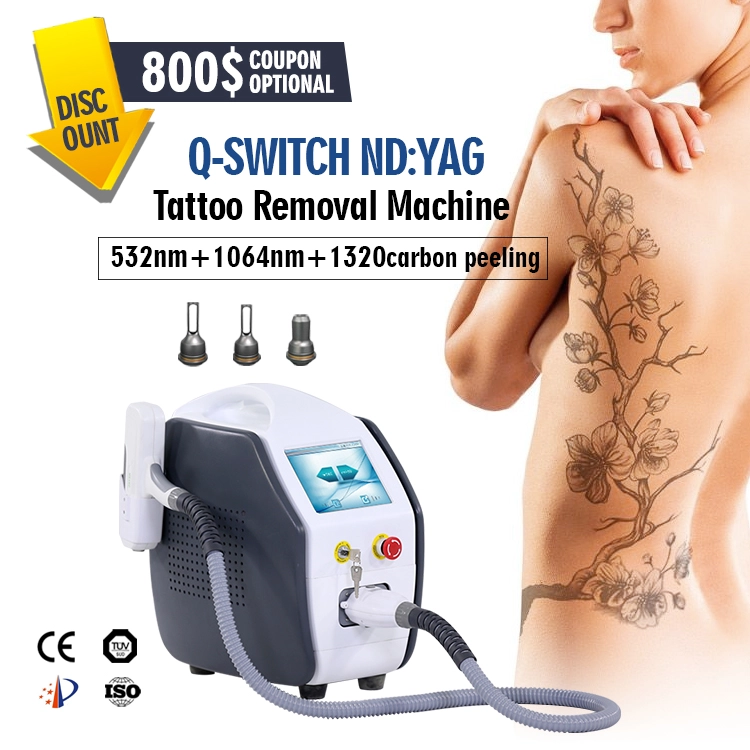
KES laser offers tattoo removal machine configurations for professional buyers. A quotation should identify the exact model, included handpiece and treatment-head configuration, accessories, installation responsibilities, training scope, warranty terms, and delivery basis. Compare only complete configurations that can perform the clinic’s intended service.
Separate Included Items from Options
Classify each item as included, required extra, or optional. Required accessories belong in the acquisition cost; keep optional upgrades outside the base comparison until justified.
Budget for Training and Launch
Include paid operator time, travel, supervised practice, documentation, and applicable registration or inspection costs.
Model Lamp, Parts, and Routine Service
Lamp cost depends on four inputs: verified service life, replacement price, labor, and freight. Request the lamp type and the conditions behind any shot-life statement. Then calculate expected replacements from the clinic’s workload.
Expected lamp replacements = projected ownership-period shots / verified lamp-life shots.
Do not mix figures from different models. A lamp claim for one Q-switched or picosecond configuration does not establish the service life of another. Ask whether the quoted lamp is original, who can install it, whether calibration is required, and whether replacement changes warranty coverage.
Routine costs may include filters, water, seals, optics cleaning, calibration, protective windows, handpiece parts, and shipping. Use the model’s service schedule; enter “quotation required” instead of zero when a price is missing.
Compare Preventive Service Terms
Record service frequency, tasks, travel charges, remote support, and excluded parts. Clarify which checks require an authorized technician.
Put Downtime into the Cost Model
Downtime combines repair expense and lost capacity. Include labor, parts, travel, emergency shipping, temporary equipment, cancelled work, and continuing staff costs.
Use contribution margin rather than gross appointment revenue when estimating lost capacity. Subtract variable costs that the clinic does not incur when an appointment is cancelled. Avoid assuming that every delayed appointment is permanently lost; use separate percentages for rescheduled and lost work.
KES laser provides training and technical support for medical beauty equipment. Buyers should still request the service channel, support hours, remote-diagnosis process, spare-parts location, dispatch terms, and responsibilities in writing.
Estimate One Downtime Day
Calculate scheduled appointments, contribution per completed appointment, continuing staff costs, and recovery expenses. Keep expected downtime separate from a worst-case reserve.
Check Warranty Exclusions and Logistics
Confirm the warranty start date, covered parts, labor, travel, freight, consumables, misuse exclusions, and the process for approving a repair. Ask whether a replacement unit or loan unit is available and under what conditions. A long warranty has limited financial value when critical exclusions or slow logistics remain unclear.
Compare Quotes with a TCO Worksheet
The final worksheet should contain supplier evidence beside every input.
|
Cost Category |
Input to Collect |
Calculation |
|
Acquisition |
Machine, required options, freight, tax, installation |
One-time total |
|
Lamp and parts |
Unit price, verified life, labor, freight |
Replacements x installed cost |
|
Planned service |
Visit frequency, plan price, travel, calibration |
Annual cost x ownership years |
|
Repair exposure |
Non-covered parts, labor, shipping |
Scenario-weighted allowance |
|
Downtime |
Days unavailable, lost contribution, continuing staff cost |
Expected days x cost per day |
|
Residual value |
Documented resale or trade-in basis |
Subtract only when supported |
For each input, record source, date, currency, model, validity period, and whether it is fixed or estimated. Flag blanks so incomplete quotations are not rewarded.
Buyers can use the KES laser product range to identify relevant configurations before requesting model-specific ownership terms. The final purchase decision should rely on the written quotation, model documentation, service terms, and clinic workload assumptions. Recalculate the model when utilization, parts pricing, exchange rates, or service coverage changes.
FAQ
Q: What is included in tattoo removal machine cost?
A: Tattoo removal machine cost should include the working configuration, freight, customs, installation, training, required accessories, lamps, routine parts, planned service, repair exposure, and downtime. Financing and local tax may also matter, but they should be shown separately when they depend on the buyer rather than the equipment.
Q: How does lamp replacement affect tattoo removal machine cost?
A: Lamp replacement affects ownership cost through lamp price, verified service life, technician labor, calibration, and freight. Divide projected shots over the ownership period by the applicable lamp-life figure, then test different workload cases. Use only the documentation for the quoted model and configuration.
Q: How should downtime be added to tattoo removal machine cost?
A: Estimate the contribution margin lost from appointments that cannot be recovered, then add continuing staff expenses and repair-related costs. Separate expected downtime from a worst-case reserve. Ask each supplier for response, diagnosis, parts dispatch, technician, and loan-unit terms so the assumptions are comparable.