

Are You Scheduling Your Laser Treatments the Right Way?
If you’re investing in ablative laser treatments but not seeing the results you expected, the problem may not be the treatment itself—it may be the timing. Many patients and clinics face the same concerns:
- “Why are my results slower than expected?”
- “Should I be doing treatments more often?”
- “Am I waiting too long between sessions?”
Often, the problem lies not in the procedure, but in how often it happens.
Ablative laser procedures depend on deliberate skin damage, followed by the body’s own recovery. Thus, timing plays a vital role. Suitable gaps let the skin renew and form collagen properly. However, bad timing might cause weaker outcomes or potential risks.
What Is an Ablative Laser Treatment?
Ablative laser treatments strip away the top layer of damaged skin. At the same time, they warm the layers below to boost collagen growth. This combined effect helps renew the skin and better its total state.
Common Treatment Indications
- Fine lines and wrinkles
- Acne scars and surgical scars
- Sun damage and pigmentation
- Uneven texture
- Mild to moderate skin laxity
How the Technology Works
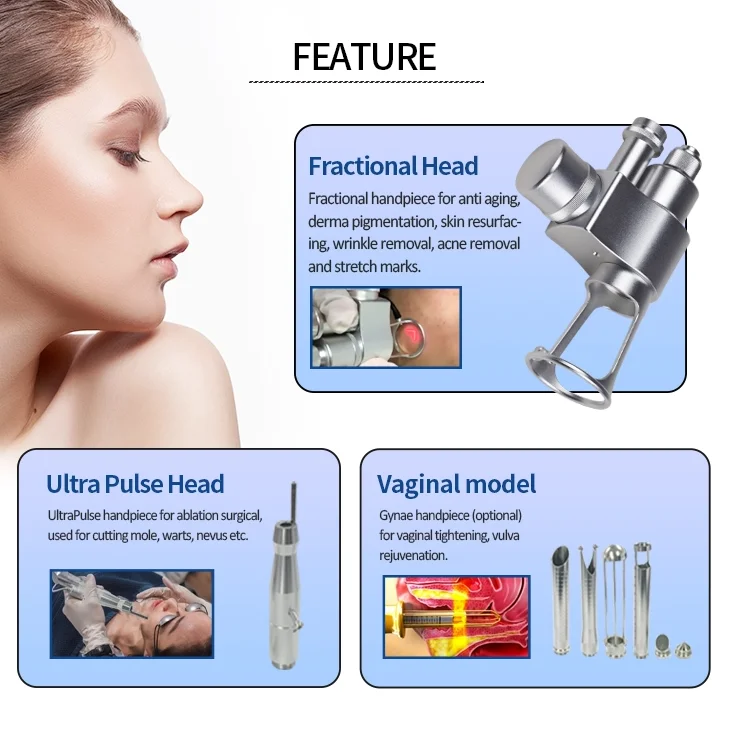
Fractional CO2 laser systems produce numerous tiny treatment areas on the skin. These precise small wounds trigger the body’s usual natural healing process. As a result, the skin becomes smoother, tighter, and more uniform as time passes.
Unlike non-ablative options, ablative lasers often yield clearer improvements. But they demand careful downtime arrangements.
Why Treatment Frequency Matters More Than You Think
A widespread mistake is believing that sessions done more often bring quicker gains. Actually, the skin requires enough time to mend and strengthen in between.
When sessions occur too close together, the skin might not heal completely. This raises the chances of soreness and color problems. Conversely, if gaps are overly wide, the collagen boost might not hold steady. Consequently, advancement slows down.
The aim is to match session gaps with the skin’s normal mend cycle. In this way, each treatment adds to the one before it.
Recommended Frequency for Ablative Laser Treatments
Standard Treatment Intervals
Many medical guidelines suggest planning sessions every 4 to 8 weeks. The precise gap relies on the procedure’s strength and the person’s skin reaction.
Stronger procedures usually need extended healing periods. Meanwhile, gentler renewal sessions might permit briefer waits.
Typical Number of Sessions
- General skin rejuvenation: 3 to 5 sessions
- Acne scars: 3 to 6 sessions
- Wrinkles and anti-aging: 4 to 5 sessions
Collagen reshaping goes on for various weeks following each session. That’s why fitting spacing is crucial for ongoing progress.
Key Factors That Influence Treatment Frequency
Skin Type
Delicate or slimmer skin often calls for lengthier healing times. On the other hand, tougher or hardier skin could handle nearer sessions.
Treatment Depth
Shallow procedures enable faster mending. Deeper treatments require extended healing periods.
Device Technology
Current laser tools with exact power management boost safety. They also cut down healing duration. Thus, planning sessions become easier.
Practitioner Experience
A skilled provider can tweak settings according to a person’s skin traits and aims. This ensures secure and useful gaps.
What Happens Between Ablative Laser Sessions?
Immediate Phase (Days 1–7)
People might notice redness, slight puffiness, and flaking as the skin starts to repair itself.
Recovery Phase (Weeks 2–4)
Fresh skin develops, and the feel improves gradually. Color concerns could begin to lessen.
Remodeling Phase (Weeks 4–8)
Collagen creation rises, which results in tighter and even skin.
Clear changes typically show up slowly over a few weeks.
How to Maximize Results Between Ablative Laser Treatments
Good follow-up care is essential for getting top outcomes and sticking to a fitting schedule.
- Use broad-spectrum sunscreen daily.
- Keep the skin well hydrated.
- Avoid harsh or irritating skincare products.
- Follow professional post-treatment guidelines.
Solid aftercare aids quicker healing and stronger total effects.
Who Should Avoid Frequent Ablative Laser Treatments?
Certain folks might require wider gaps between sessions. These include:
- Patients with highly sensitive skin
- Those with active inflammation or infections
- Individuals with slower healing responses
For them, stretching the healing span lowers hazards.
Choosing the Right Ablative Laser Device: Why Technology Makes a Difference
The laser tool’s capability directly shapes procedure success, security, and healing span.
Simple setups could deliver power less evenly. This leads to extended healing and less steady results. Newer setups offer finer handling, steadier performance, and greater ease for users.
Places using cutting-edge tools can often reach superior effects with fewer visits. Plus, planning becomes more reliable.
KES Laser Solutions for Ablative Treatments
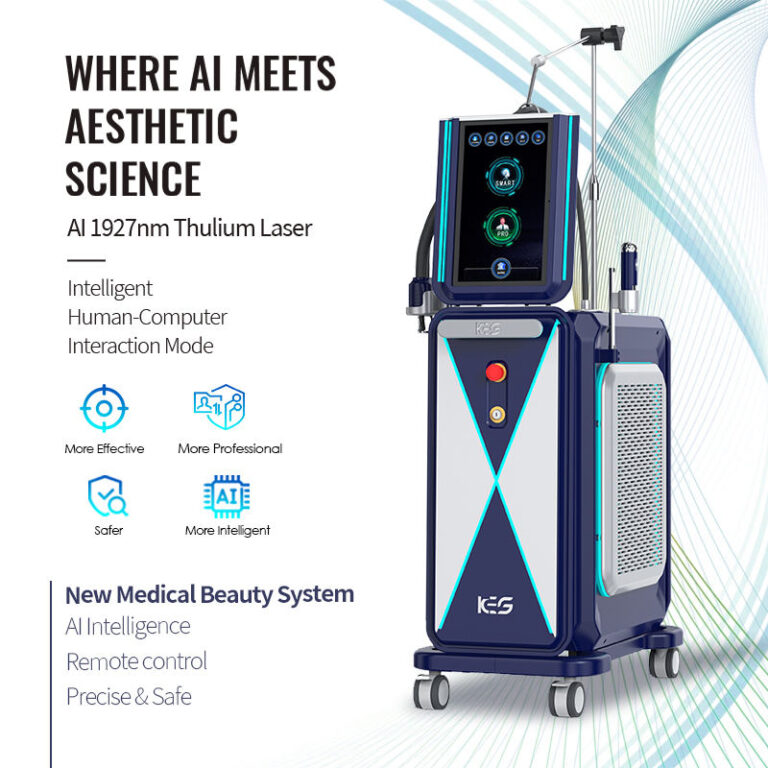
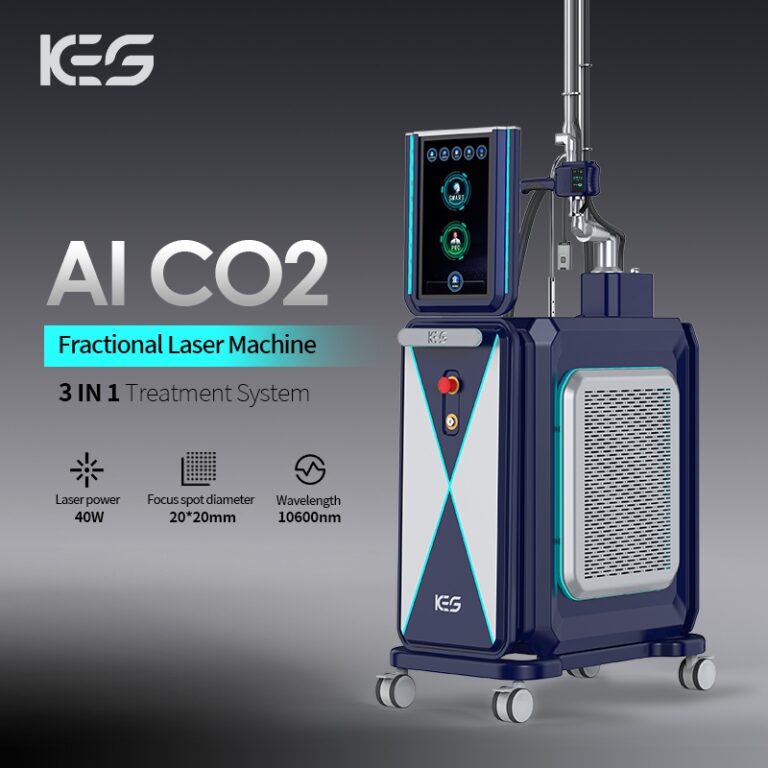
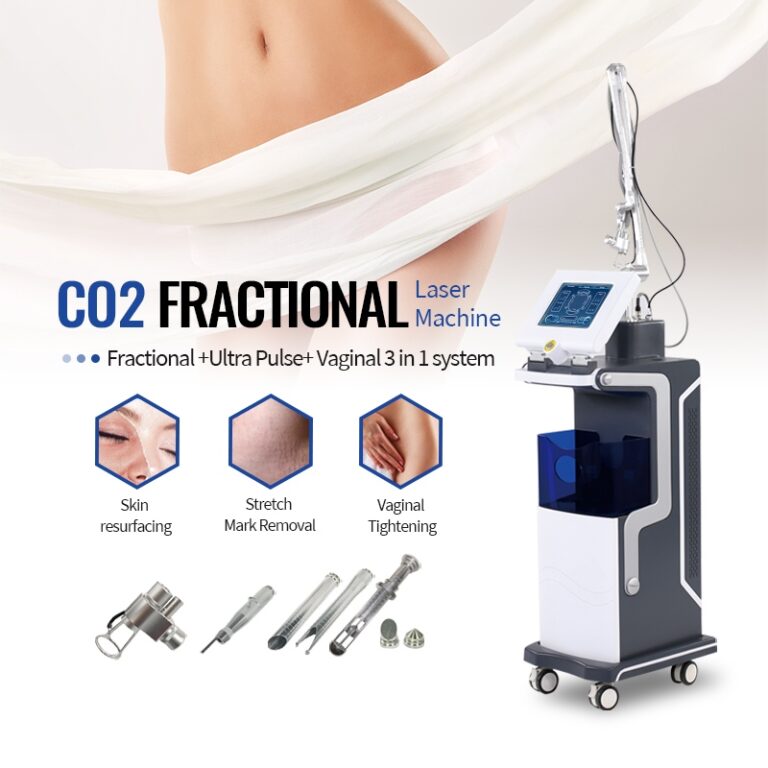
KES laser offers modern fractional CO2 laser systems. They suit the demands of today’s beauty centers.
Technology Features
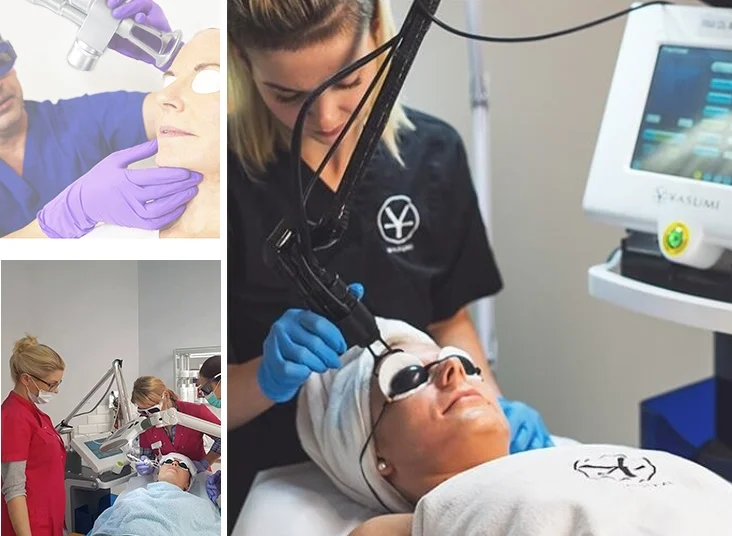
KES laser systems employ dense fractional scanning and changeable power levels. Therefore, providers can tailor procedures for various skin kinds and issues. All the while, they keep hold of depth and strength oversight.
Device Advantages
- Stable energy output for consistent results
- Precise control for improved safety
- Multiple treatment modes and handpieces
- Efficient operation suitable for high-volume clinics
- Compliance with international standards such as CE and FDA
Such traits assist centers in upholding ideal session gaps. At the same time, they ensure dependable effects.
Real-World Application Scenarios
Acne Scar Treatment
Folks with moderate acne scars often need stronger procedures. These should be set 6 to 8 weeks apart. Newer tools enable finer depth handling. This cuts down the chances.
Anti-Aging Treatments
To tackle fine lines and refine skin feel, milder procedures work well. They can occur every 4 to 6 weeks. Healing times are also briefer.
High-Volume Clinics
Centers managing many clients gain from tools with reliable action and smooth processes. Less downtime boosts planning options and client flow.
Customized Ablative Laser Treatment Plans for Better Results
Every person brings distinct skin features and procedure aims. A custom method makes sure that session timing stays secure and useful.
KES laser aids centers with:
- OEM and ODM customization services
- Flexible system configurations
- Professional training and technical support
This lets providers craft fitted procedure plans. They maximize gains while keeping suitable session gaps.
Final Thoughts
Ablative laser treatments work very well when timed correctly. Boosting how often they happen doesn’t always improve the effects. Rather, right planning, modern tools, and personal procedure designs are the main elements.
Centers that stress these parts can gain finer results, raise client happiness, and streamline procedure flow.
If you are looking to upgrade your clinic with reliable and customizable ablative laser solutions, KES laser offers professional systems tailored to your business needs. Contact us to learn more about product specifications, OEM/ODM services, and global support.
FAQ
Q: How long should I wait between ablative laser treatments?
A: Most patients should wait between 4 and 8 weeks, depending on the treatment intensity and how quickly their skin heals.
Q: Can I have ablative laser treatments more often for faster results?
A: No. Performing treatments too frequently can interfere with healing and increase the risk of side effects. Proper recovery time is essential.
Q: How many Ablative Laser sessions are usually needed?
A: Most patients require 3 to 5 sessions for visible improvement, while more severe conditions like acne scars may require additional treatments.
Q: What determines the ideal treatment frequency?
A: Factors include skin type, treatment depth, device technology, and individual healing ability.
Q: Does the laser device affect how often treatments can be done?
A: Yes. Advanced systems like those from KES laser provide better precision and faster recovery, allowing safer and more efficient treatment scheduling.