

Choosing professional hair-removal equipment affects treatment speed, client comfort, workflow, service range, maintenance, and operating costs.
This guide explains light-based hair reduction and offers a practical framework for clinics, salons, and distributors evaluating a laser hair removal machine.
What Is a Laser Hair Removal Machine?
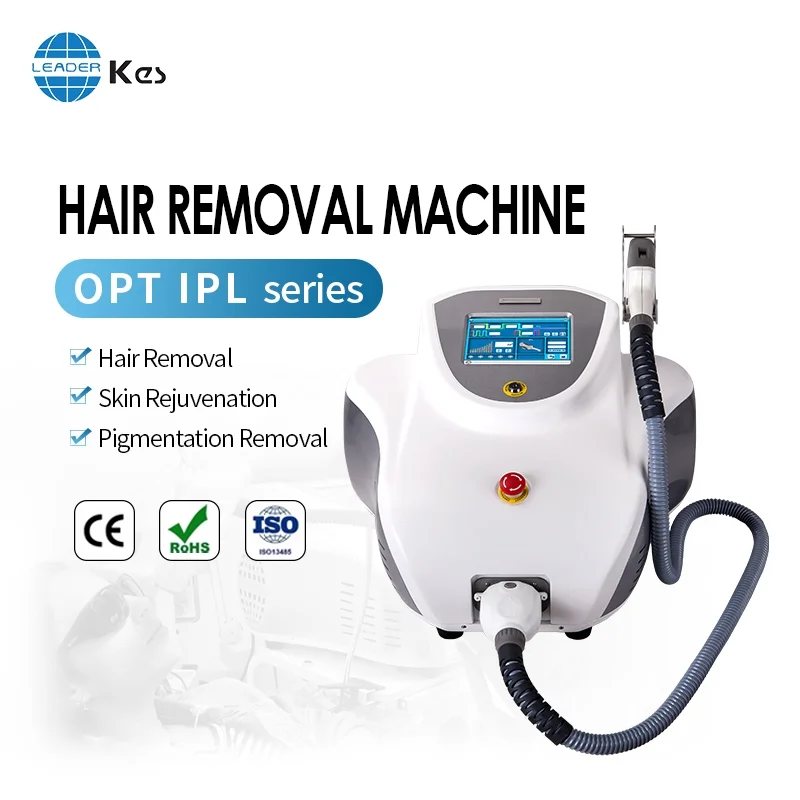
A professional system delivers controlled light energy to hair-bearing skin. Its purpose is to heat structures associated with the hair follicle while limiting unnecessary exposure to surrounding tissue. This method is not like shaving or waxing. Instead, it focuses on hair growth deep under the skin surface. People usually need a series of sessions for good results.
How Light-Based Hair Reduction Targets the Hair Follicle
Hair contains melanin, a pigment that absorbs selected light wavelengths. The absorbed light becomes heat, creating a photothermal effect that can impair the follicle’s ability to produce new hair.
Final results will differ from person to person. Hair color and thickness play big roles. The treatment spot, skin type, and device style also change how light is absorbed. The user’s skill matters just as much. Dark, thick hair usually gives a much better target. Very light or gray hair is harder to treat.
Laser vs. IPL: Why the Terms Are Often Confused
A laser makes one exact wavelength or a specific mix of wavelengths. IPL uses wide-spectrum pulsed light. Special filters control this light. Because of this, an IPL tool is not truly a laser. However, “IPL laser hair removal machine” remains a very popular search phrase for buyers.
Buyers usually pick a diode platform for dedicated hair-removal jobs. On the other hand, IPL can help offer a broader beauty menu. This works well if the package includes the right filters, handpieces, and usage guides.
Who Uses Professional Hair Removal Equipment?
Users include clinics, medical spas, beauty salons, distributors, and multi-location operators. Permitted users and supervision requirements depend on local regulations.
Safe daily use needs proper client checks. Workers must wear eye protection. They must also pick the right power settings and do regular maintenance.
How Does a Laser Hair Removal Machine Work?
Hair removal relies on selective photothermolysis. The device sends light in a special way. This method helps the target area absorb the energy perfectly. The true goal is careful, steady heating. It is not just about using the highest power.
The Role of Wavelength, Melanin, and Selective Photothermolysis
Wavelength changes how deep the light goes. It also changes how the light reacts with melanin. Pulse duration controls how fast the machine sends energy. Fluence measures the exact energy in a set space. Operators must look at all these details together.
High power by itself does not promise better results. Steady energy output is very important. Good cooling systems and correct user skills matter a lot too.
Why Multiple Treatment Sessions Are Usually Needed
Hair follicles do not grow in perfect synchrony. Treatment is most effective when a hair is connected to an active follicular structure with enough pigment to absorb energy. At any appointment, only part of the hair population is in a responsive stage.
Operators therefore plan a treatment course based on assessment, response, treatment area, and the selected protocol.
How Cooling, Pulse Duration, and Spot Size Affect Treatment
Cooling tools help control skin heat. They also make the patient feel more comfortable. Pulse duration changes how heat builds up in the skin. Spot size decides how much area the light covers. Bigger treatment windows can make body sessions much faster. Smaller tools work better for delicate facial spots.
Repetition rate affects workflow. Faster delivery may shorten appointments when output remains consistent, and coverage remains correct.
IPL, Diode Laser, and SHR: What Is the Difference?
|
Technology |
Light delivery |
Typical business role |
Main purchasing consideration |
|
IPL |
Filtered broad-spectrum pulses |
Hair reduction and selected skin treatments |
Filters, lamp stability, handpieces, cooling |
|
Diode laser |
Defined wavelength or wavelength combination |
Dedicated professional hair removal |
Wavelength, spot size, pulse control, cooling |
|
SHR |
Repeated passes with gradual heating |
In-motion hair-removal workflow |
Repetition rate, contact cooling, coverage |
IPL Laser Hair Removal Machine: Broad-Spectrum Flexibility
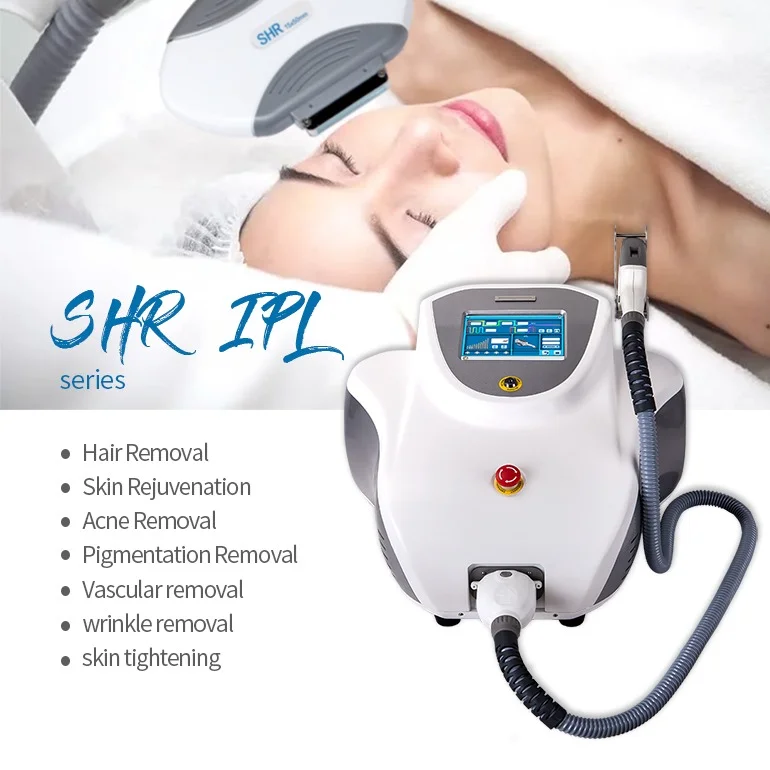
IPL can hit different skin targets. It does this by using specific wavelength ranges and special filters. For hair reduction, the melanin absorbs the light. It then turns that light into heat. Based on the setup, IPL might also help with skin glowing. It can treat certain spots, veins, acne, or fine lines.
This versatility can suit clinics seeking multiple services from one platform. Buyers should verify included handpieces, filters, and intended uses rather than assuming that every commercial IPL system has identical capabilities.
Diode Laser Hair Removal Machine: Targeted Wavelength Performance
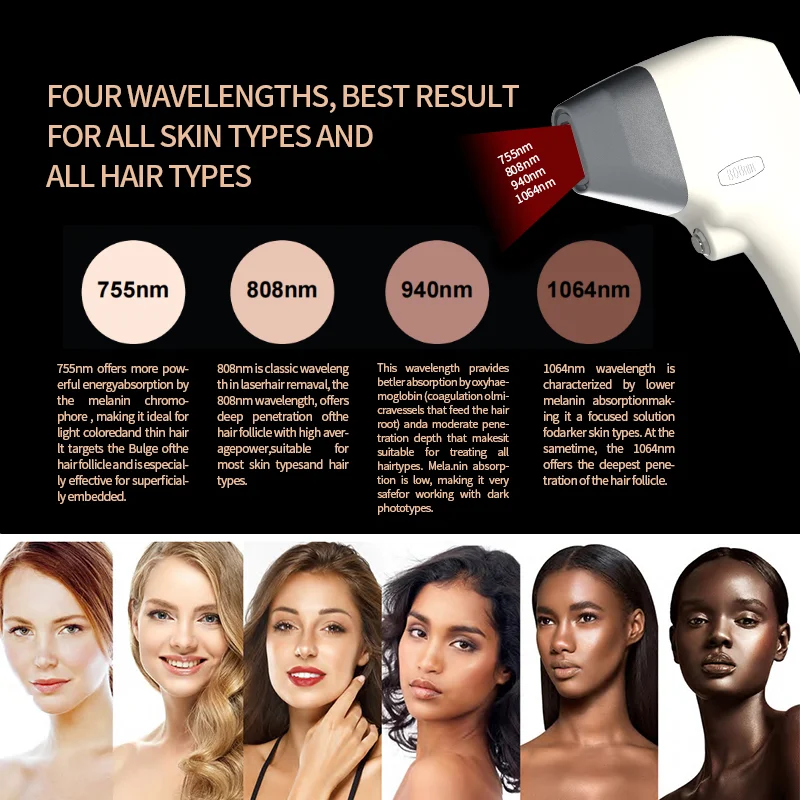
Diode equipment uses defined laser wavelengths. An 808 nm configuration is a common dedicated option, while selected KES laser systems offer optional 755 + 808 + 1064 nm configurations. Listed features include adjustable pulse duration, different treatment windows, and cooling options.
For high-volume operators, software also matters. Selected KES laser platforms provide optional Android and Wi-Fi functions plus Smart Clinics tools for recording pulses, treatment areas, protocols, operating time, and maintenance alerts.
IPL Hair Removal and Skin Rejuvenation Machine: Multi-Service Potential
An IPL hair removal and skin rejuvenation machine may help a business broaden its menu without buying a separate platform for each application. Its value depends on filter selection, handpiece design, stable output, cooling, and interface usability.
At KES laser, we offer documented IPL and SHR configurations with different wavelength ranges and applicator sizes. Selected systems list SHR ranges of 650–950 nm, and IPL ranges beginning at 430, 530, or 640 nm, with handpieces intended for hair-removal and skin-treatment workflows. We recommend comparing the exact configuration required for the destination market rather than choosing by the number of advertised functions.
What Benefits, Limitations, and Safety Factors Should Clinics Consider?
Treatment Range, Client Comfort, and Workflow Efficiency
The right platform can support faster coverage, repeat appointment programs, and a more structured client journey. IPL may suit a multi-service business, while diode technology may better fit a specialist studio.
Cooling, applicator size, interface design, operating records, and maintenance reminders influence daily usability.
Illustrative scenario: a high-volume studio may prioritize a diode platform with a larger window and operational tracking. A salon developing facial and hair-removal services may find IPL/SHR more practical. The choice should follow the service strategy.
Skin and Hair Suitability, Operator Training, and Safety
No single machine works perfectly for every person. Very light, gray, or red hair has very little melanin to target. Dark or tanned skin needs extra care. The melanin in the top skin layer can also absorb the light energy.
Safe work requires careful skin checks. Users must pick safe power settings and use strong cooling. They must wear eye protection and hold the handpiece correctly. Following the maker’s guide is a must. Buyers have to check local laws. They must know the legal rules for using these devices.
How to Choose the Right Laser Hair Removal Machine for Your Business
Follow a clear, step-by-step buying plan:
- Figure out if hair removal is your main job or just a small part of a big menu.
- Pick IPL, SHR, or diode systems based on your patients. Also, think about your staff’s skill level.
- Look closely at the wavelength, energy power, and pulse time. Check the flash speed, spot size, and cooling strength.
- Check the included handpieces and special filters. Verify the software tools and the exact allowed uses.
- Look at the ongoing costs. Check the lamp lifespan, extra parts, and daily cleaning steps.
- Make sure the safety papers match the exact model. They must also fit your country’s rules.
- Check the setup help, training, and repair guides. Look at the warranty and how fast the company answers.
- For big sales projects, check custom design options. Look for good manuals and strong marketing help.
KES laser supports OEM and ODM projects covering industrial, mechanical, software, functional, interface, and logo design. Our documented capabilities include R&D, quality control, and after-sales support, with CE, ISO 13485, Medical CE, and US FDA certification coverage listed for relevant equipment categories.
FAQ
Q: Is an IPL laser hair removal machine the same as a diode laser machine?
A: No, they are quite different. IPL uses wide, filtered light. A diode tool sends out exact, focused laser wavelengths. Both machines help with hair reduction. However, their core light parts and physical builds are not the same.
Q: How do I choose the best laser hair removal machine for a beauty salon or clinic?
A: Begin by looking at your shop’s menu. Think about your typical clients, local laws, and staff skills. After that, compare the wavelengths and cooling tools. Check the spot sizes, pulse settings, and upkeep needs. Finally, review the training, warranty, and repair help.
Q: Can an IPL hair removal and skin rejuvenation machine perform both treatments?
A: Yes, it can do both. The machine just needs the right filters and handpieces. It also needs the proper software and official use manuals. Always check the exact parts in the box. Not all IPL systems give you the same choices.
Q: Is a professional laser hair removal machine suitable for all skin types?
A: Safety depends on the person’s skin type and hair color. Wavelengths, power settings, cooling, and worker skills also matter a lot. A trained worker must check every single client carefully. They must follow the strict safety guide.
Q: What should buyers check before purchasing a laser hair removal IPL machine?
A: Check the technology, wavelengths or filters, pulse stability, cooling, applicator size, lamp or handpiece life, certifications, training, spare parts, warranty, and after-sales response. Confirm that the device is permitted for the intended services in your market.