

Many people hold back before booking a CO₂ ablative laser session due to the obvious post-treatment effects. Redness, swelling, and peeling form standard healing phases, but these effects often create worry for new patients. A further usual issue centers on the risk of hyperpigmentation or scarring.
The Science Behind CO₂ Fractional Laser Treatment
How CO₂ Ablative Lasers Work on the Skin
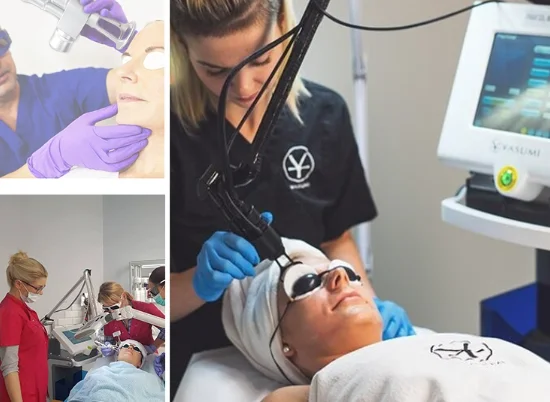
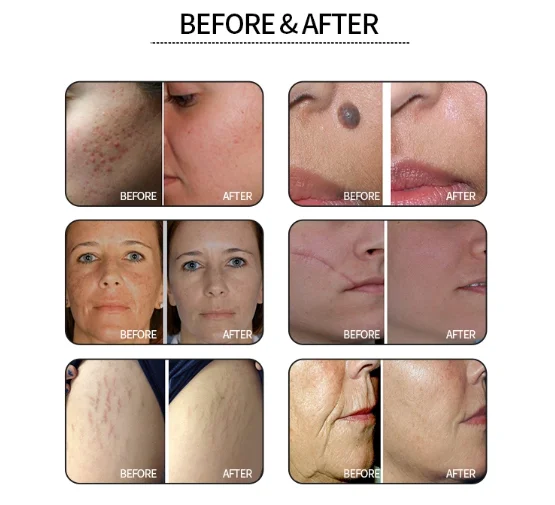
The CO₂ fractional laser operates by making microthermal zones—small managed damages that start the skin’s basic repair action. This action sparks collagen renewal and quickens cell turnover. Fractional technology hits just limited skin sections one by one, keeping nearby tissue whole for speedier recovery and smaller downtime. Across a number of weeks, the skin steadily betters in feel, shade, and stretch, as fine lines and scars turn less noticeable.
The CO₂ Fractional laser resurfacing removes layers of skin tissue in a fractional method (columns of skin are removed, leaving the skin surrounding each column intact to aid in healing) to help reduce age-spots (also called sun freckles, liver spots), fine lines, wrinkles, scarring, uneven color skin, skin laxity, textural irregularities, dull tone, and a thinned collagen layer of the face, neck and chest.
Factors That Influence Recovery Speed
A few elements shape how soon the skin mends after treatment. Skin type and age take big parts—aged or touchy skin might mend more slowly than young faces. The strength setting picked by the specialist also shapes downtime; deeper sessions need more recovery but bring better outcomes. Right post-treatment steps, like soft washing and steady sunscreen use, quicken mending and stop problems like color shifts.
Day-by-Day Skin Recovery After CO₂ Fractional Laser Treatment
Day 1–2: Immediate Reaction and Initial Healing Phase
Right after treatment, the skin shows red and feels hot, close to a light sunburn feel. Minor swelling can happen based on treatment depth. Little brown spots or grid lines appear where the laser hit the surface; these spots act as tiny coagulation spots that drop off naturally as fresh skin grows. Cooling packs ease unease in this time, while soft cleansers hold cleanliness without bother.
Day 3–5: Peeling and Texture Changes Begin
At this time, flaking or peeling gets clear as hurt cells pull away from the surface. Itching or pulling might join this step from fast cell refresh under the epidermis. Patients need to skip scratching or picking at peeling spots to block scarring or hyperpigmentation troubles.
Day 6–10: Visible Renewal and Reduced Redness
At this point, redness starts to ease slowly, showing smoother and clearer new skin below. Hydration grows key—moisturizers full of ceramides or hyaluronic acid aid in fixing barrier work and ease. With a specialist nod, light makeup can go on to smooth shade for social events.
Week 2–4: Strengthening and Collagen Remodeling Phase
Deep levels keep making collagen for better solidity and stretch. Small pink shade might hang on but often calms in weeks. Steady use of soft skincare goods backs lasting improvement as collagen remodeling goes on under the surface.
Key Aftercare Practices for Optimal Healing Results
Essential Skincare Steps After CO₂ Laser Treatment
Cleansing Routine
Use mild cleansers free from alcohol or fragrance to remove impurities without disturbing fragile new tissue.
Hydration and Moisturization
Apply fragrance-free moisturizers formulated with ceramides or hyaluronic acid twice daily to maintain hydration balance.
Sun Protection Measures
Daily application of SPF 50+ sunscreen is mandatory since UV exposure can cause post-inflammatory pigmentation on freshly treated skin.
Lifestyle Habits That Support Recovery
Nutrition and Hydration
A diet rich in antioxidants such as vitamins C and E enhances cellular repair from within, while sufficient water intake keeps tissues hydrated.
Avoiding External Irritants
Avoid exfoliating acids or retinoids until full recovery is achieved to prevent excessive irritation.
Professional Support for Stable Post-Treatment Results with Advanced Equipment
The Role of Professional Devices in Enhancing Skin Stability
Professional-grade post-laser care devices hold a key part in calming swelling and speeding tissue regrowth after CO₂ fractional laser steps. Clinics with high-accuracy setups make sure even energy flow over treated spots for matching results. Routine check-in visits let specialists watch advance up close and change skincare plans if required.
How KES Laser Technology Promotes Balanced Healing
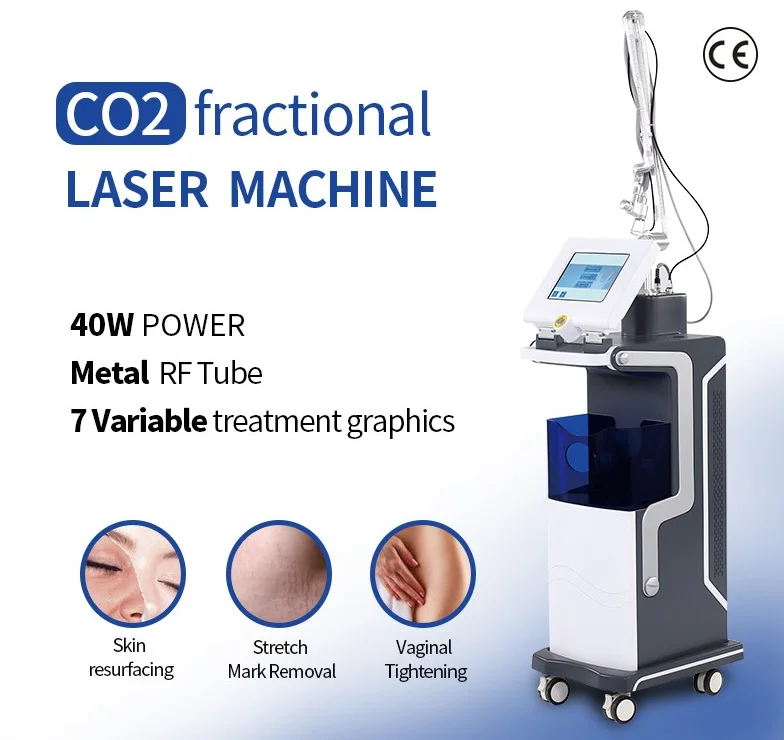
KES laser has developed advanced fractional CO₂ systems built with precision-engineered components designed for safety and performance stability. Advantages include a 40Watts RF metal tube from America providing strong energy output with easy maintenance. Mini spot size 0.12mm ensures fast skin recovery. Seven output patterns are suitable for different areas. These features enable practitioners to customize energy density according to individual needs—offering customized solutions that balance effectiveness with comfort.
The system’s air-cooling mechanism stabilizes temperature during treatment phases to reduce redness duration while promoting smoother healing outcomes. Every KES laser device undergoes strict quality testing following TUV Medical CE standards for reliable clinical performance worldwide.
We also provide customized training programs, ensuring practitioners fully understand parameter adjustment for various skin types—further enhancing safety during every session.
Clinics using our technology benefit from stable power delivery that minimizes thermal stress on tissues while maintaining consistent results across sessions—a key advantage when compared with conventional systems lacking advanced feedback control mechanisms.
FAQ
Q: How long does redness last after CO₂ fractional laser treatment?
A: Mild redness usually lasts 5–7 days, depending on treatment depth; using cooling packs and hydrating creams helps shorten this period.
Q: When can makeup be applied after a CO₂ ablative laser session?
A: Light mineral makeup may be used around day six if approved by a skincare professional once peeling subsides.
Q: Is CO₂ fractional laser suitable for all skin tones?
A: Yes, but settings must be customized based on melanin levels; professional assessment ensures safe parameters for each complexion.
Q: What makes KES laser equipment different from standard machines?
A: KES laser integrates precise energy control with advanced cooling design ensuring uniform treatment results and faster recovery through scientifically verified performance standards.
Q: How soon will results appear after one session of CO₂ Fractional Laser Treatment?
A: Initial improvements appear within two weeks as redness fades; collagen remodeling continues over three months, delivering firmer texture over time.