

1. Is Ablative Laser Safe for All Skin Types?
Understanding Fitzpatrick Skin Types and Laser Safety
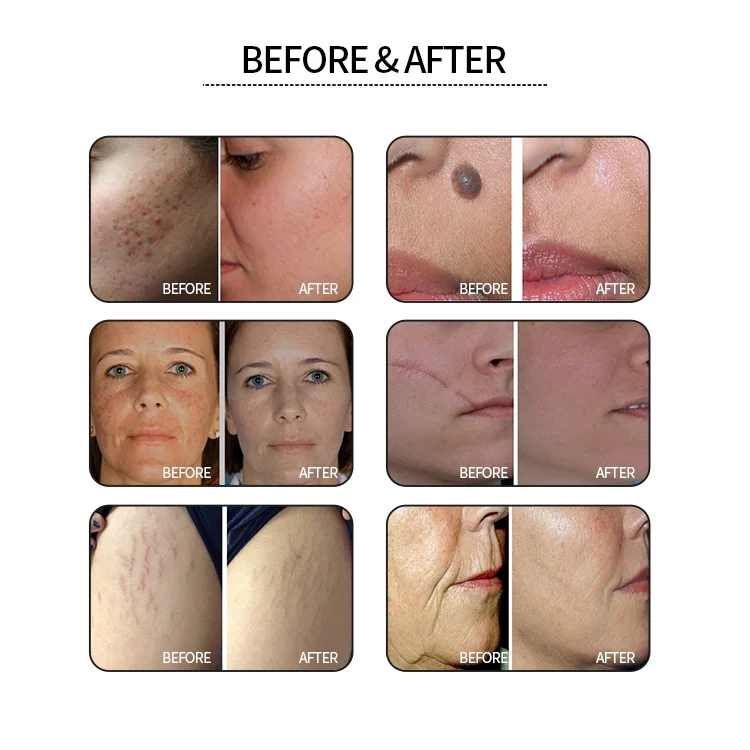
Safety remains the main concern for anyone thinking about major skin resurfacing procedures. The CO2 fractional laser resurfacing method stands as a clear step forward in dermatological safety. The method removes layers of skin tissue in a fractional pattern. In this process, microscopic columns of skin are taken out. The skin around each column stays fully intact to support healing. This careful approach sharply lowers the chance of serious complications and unwanted pigmentation changes. The lower risks make the procedure safer for a broader range of skin tones than older fully ablative methods. The main goal of this controlled fractional injury is to reduce age spots. These spots are also known as sun freckles and liver spots, as well as lentigines. The treatment also addresses fine lines, wrinkles, scarring, uneven coloration, skin laxity, textural irregularities, dull tone, and a thinned collagen layer on the face, neck, and chest. By keeping the surrounding epidermis healthy, the skin regenerates in a more predictable way. Patients then gain the desired aesthetic improvements while protecting overall dermal health.
2. What is the Ablative Laser Pain Level During Treatment?
Managing Discomfort: Numbing Creams and Advanced Laser Technology
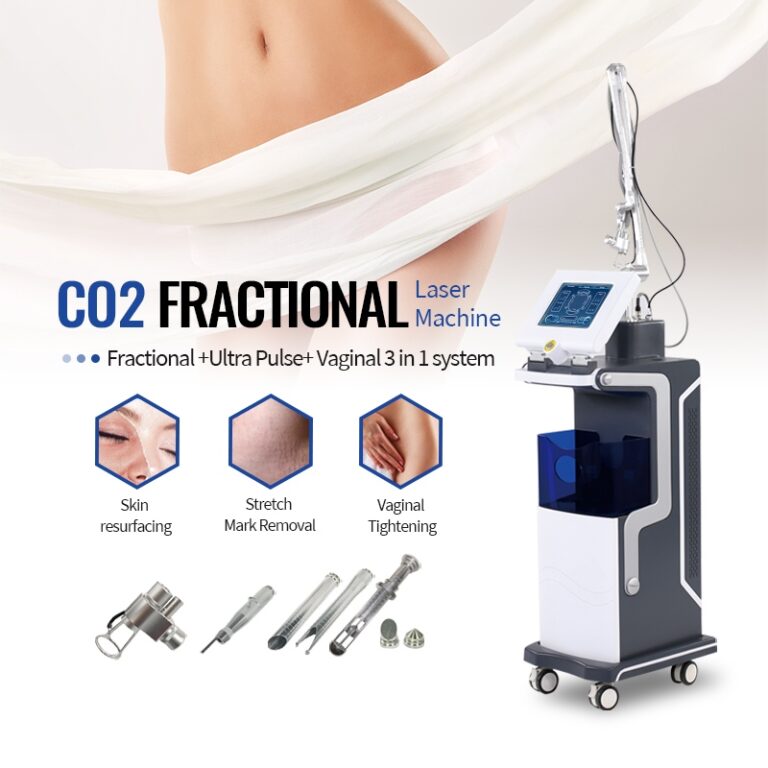
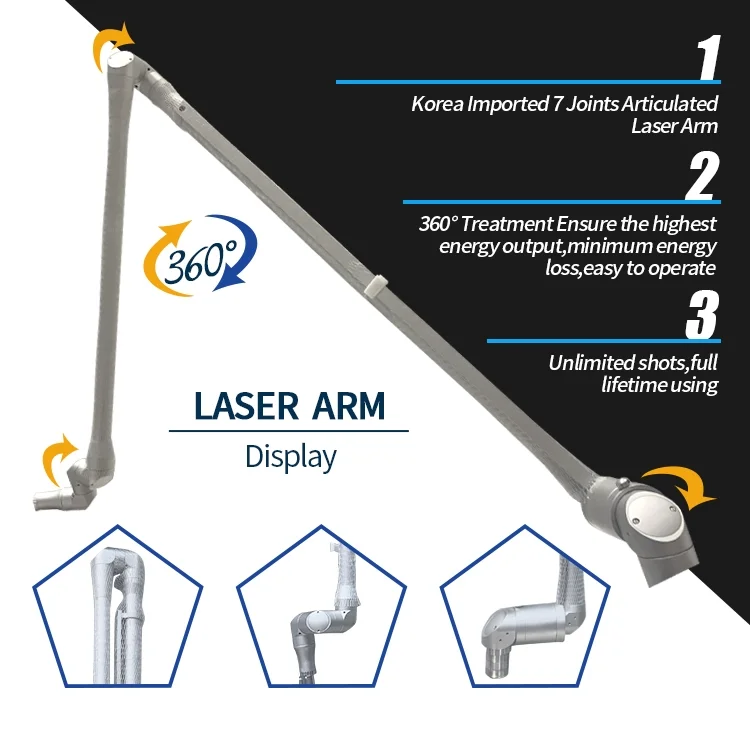
Pain management forms a key part of modern aesthetic medicine. While it is true that ablative procedures involve a higher degree of physical sensation than non-ablative alternatives, cutting-edge equipment has transformed the patient experience. The KES laser Focxel Fractional CO2 Laser Machine MED-870+ serves as a perfect example of how engineering directly minimizes clinical discomfort. This specific device utilizes a United States-imported 40-watt RF metal tube laser generator, which delivers a highly stable and powerful output energy. The technology feels comfortable for the patient because the focal spot size measures exactly 0.12 millimeters. This small size allows deeper penetration into the dermal layers. At the same time, the surface skin experiences less trauma. Furthermore, the KES laser machine is equipped with a 360-degree rotation articulated seven-joint arm imported from Korea, ensuring easy and professional operation by the practitioner. The system also incorporates an aiming beam utilizing a 5mw red diode laser at a 635nm wavelength with adjustable intensity, allowing the operator to target problem areas with flawless accuracy. The fractional treatment breaks the laser beam into many small beams. These beams form tiny microscopic holes instead of damaging the whole surface. As a result, the treatment delivers true resurfacing in an efficient and comfortable manner.
3. The Ablative Laser Recovery Process (Day-by-Day Timeline)
Days 1-3: Immediate Aftermath and Redness
The initial phase of the recovery timeline shows the body’s natural biological response to the thermal energy. Right after the session, patients usually notice redness and a feeling similar to a moderate sunburn. The fractional laser removes microscopic columns of skin while the surrounding tissue stays intact. The body quickly identifies the injury and starts to respond. During these first three days, the body actively sends blood, water, and oxygen to the treatment area. This action begins the intensive healing process. Patients must keep the skin protected, well hydrated, and fully shielded from environmental stressors during this important window.
Days 4-7: Peeling and Re-epithelialization
As the first week moves forward, the damaged outer layers of the epidermis start to shed and flake away. This peeling serves as a necessary step that reveals fresh, revitalized skin underneath. Collagen is the main protein in human skin. Collagen keeps the skin looking young and free of lines. During this peeling phase, the controlled injury from the tiny holes encourages new collagen production. The production increases quickly. This fast creation of extra collagen forms the biological process that reduces wrinkles, fine lines, burns, scars, and new stretch marks. By the end of the week, patients see clear improvement in textural irregularities and dull tone. The new collagen layer strengthens the face, neck, and chest.
4. How Long Does It Take to See Results from Ablative Laser Treatment?
Is It Worth Getting Ablative Laser for Skin Rejuvenation?
Evaluating the long-term value of skin resurfacing requires an understanding of both the healing timeline and the expected longevity of the results. Unlike superficial cosmetic treatments that offer immediate but temporary fixes, the fractional CO2 treatment takes a bit of time to show results because it is fundamentally helping the natural body cycle. Visible improvements will begin to show approximately two months after the treatment is complete, as the new collagen continues to tighten and smooth the skin. However, the treatment is much more long-term, with the aesthetic results being visible for one to six years based on extensive clinical studies. For medical spas and dermatology clinics, investing in reliable equipment like the KES laser MED-870+ is highly worthwhile.
KES laser is the global leading developer and manufacturer of light-based medical and aesthetic lasers in China, having established its operations in 1999. We boast a professional research and development team with fifteen years of experience in medical aesthetic devices, operating out of a 5000 square meter factory area. The KES laser MED-870+ Fractional CO2 Laser Machine is TUV Medical CE-approved, which guarantees a strict quality testing process, safe treatment parameters, and highly stable working conditions. The clinical efficacy of this system is heavily supported by proven results.
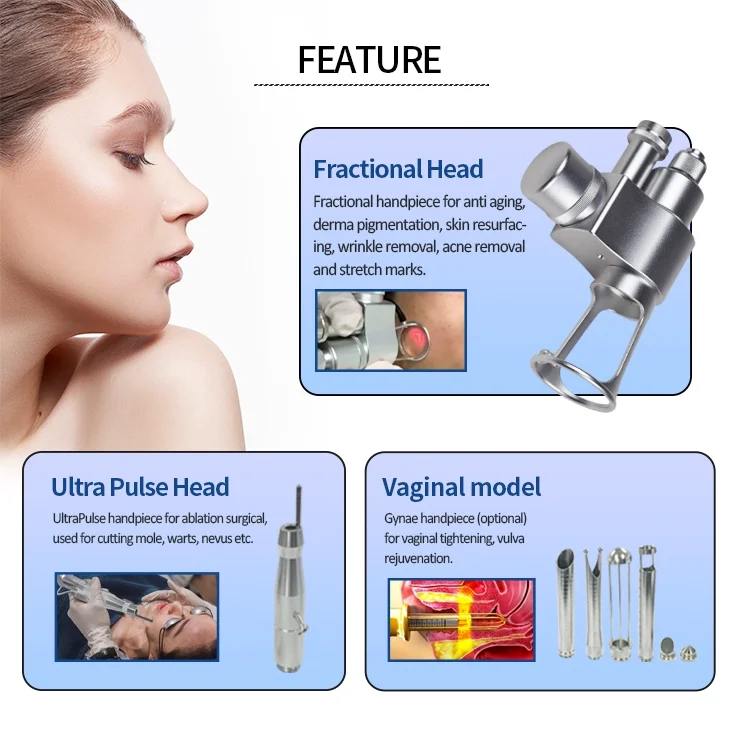
The machine also delivers wide versatility through its modular handpiece design. The Focxel system comes with separate lens assemblies for different procedures. The standard Fractional handpiece is built for anti-aging, dermapigmentation, skin resurfacing, wrinkle removal, acne removal, and stretch marks. The UltraPulse handpiece is used mainly for ablation surgical applications. Practitioners apply this handpiece for cutting moles, warts, and nevi. An optional Gynae handpiece is available for vaginal tightening and vulva rejuvenation. The technology supports multiple scan shapes such as square, rectangle, circle, triangle, rhombus, ellipse, and line. The maximum scan size reaches up to 20 by 20 millimeters. The system runs continuously for 18 hours with a self-contained air cooling system. All functions are managed through a user-friendly 10.4-inch true color LCD touch screen. This blend of strong hardware and proven clinical results shows that the treatment stands as a highly worthwhile investment. Patients gain flawless skin while practitioners deliver top-tier aesthetic services.
5. FAQ: Common Questions About Ablative Laser Treatments
Q: How effective is ablative laser for wrinkle reduction?
A: Ablative laser treatment is exceptionally effective for restoring a youthful appearance. The Fractional CO2 Laser treatment uses a laser beam and breaks it up into many small beams, which create tiny microscopic holes in the skin. This precise injury promotes new collagen production, putting it into overdrive to create extra collagen, which directly reduces wrinkles and fine lines. Proven clinical results show that significant wrinkle removal is achieved after just four to five treatment sessions.
Q: Can I speed up the recovery time after an ablative laser treatment?
A: The biological healing process follows a natural timeline. The technology applied during the procedure determines how quickly recovery happens. The fractional method removes columns of skin while the skin surrounding each column stays intact to support healing. This design optimizes recovery time. Devices that feature a highly precise spot size of 0.12 millimeters help speed skin recovery. The small spot size limits unnecessary thermal damage to the surrounding healthy epidermal tissue.
Q: Who should not get ablative laser treatments?
A: Fractional resurfacing remains highly safe for most people. Individuals who have active severe skin infections, a history of poor wound healing, or very unrealistic aesthetic expectations should speak with a medical professional before proceeding. The treatment offers a strong solution for people who wish to remove skin imperfections such as wrinkles, blemishes, scars, birthmarks, lesions, or warts. Careful patient screening makes sure that the powerful collagen remodeling process works well and avoids unwanted reactions.
Q: How does the ablative laser pain level compare to non-ablative lasers?
A: Ablative lasers remove targeted outer layers of the skin through vaporization. This action creates a generally higher physical sensation than non-ablative lasers produce. Even so, fractional treatments reach true resurfacing in an efficient and comfortable way. Advanced fractional delivery systems stop the skin from being fully stripped. When practitioners combine these systems with topical numbing creams, the pain level stays highly manageable for most patients.
Q: If I extend my ablative laser treatment frequency for maintenance, will I lose the results?
A: You will not rapidly lose your results if you space out your maintenance sessions. The structural improvements in the skin are profound because the body sends collagen, blood, water, and oxygen to the treatment area to actively tighten and smooth the skin from within. According to clinical studies, the treatment is much more long term with the results remaining visibly present for one to six years. Periodic maintenance simply helps to prolong these excellent structural benefits.