

Choosing a supplier for tattoo removal equipment is not a simple price comparison. Clinics, distributors, and aesthetic groups have to connect patient profiles, ink colors, operator training, service coverage, and documentation requirements before a purchase order makes sense. A useful comparison looks at the machine and the organization behind it together. The goal is to identify a tattoo removal laser manufacturer that can support the treatments, explain tradeoffs clearly, and keep equipment workable after installation. This protects clinical workflow and resale planning.
Start with the Clinical and Business Use Case
Define Treatment Needs and Customer Profiles
Before comparing names on a supplier list, define the treatments the device must support. A clinic focused on dark-ink removal has different priorities from a clinic that regularly sees red, brown, green, or mixed-color tattoos.
The first comparison should therefore describe the intended customer base, treatment menu, room size, staff experience, and budget range. This keeps the selection grounded in daily operation instead of general claims. After this use case is set, buyers can compare a tattoo removal laser manufacturer by asking how a named device would be configured, trained, and supported.
Match the Device Format to the Clinic Workflow
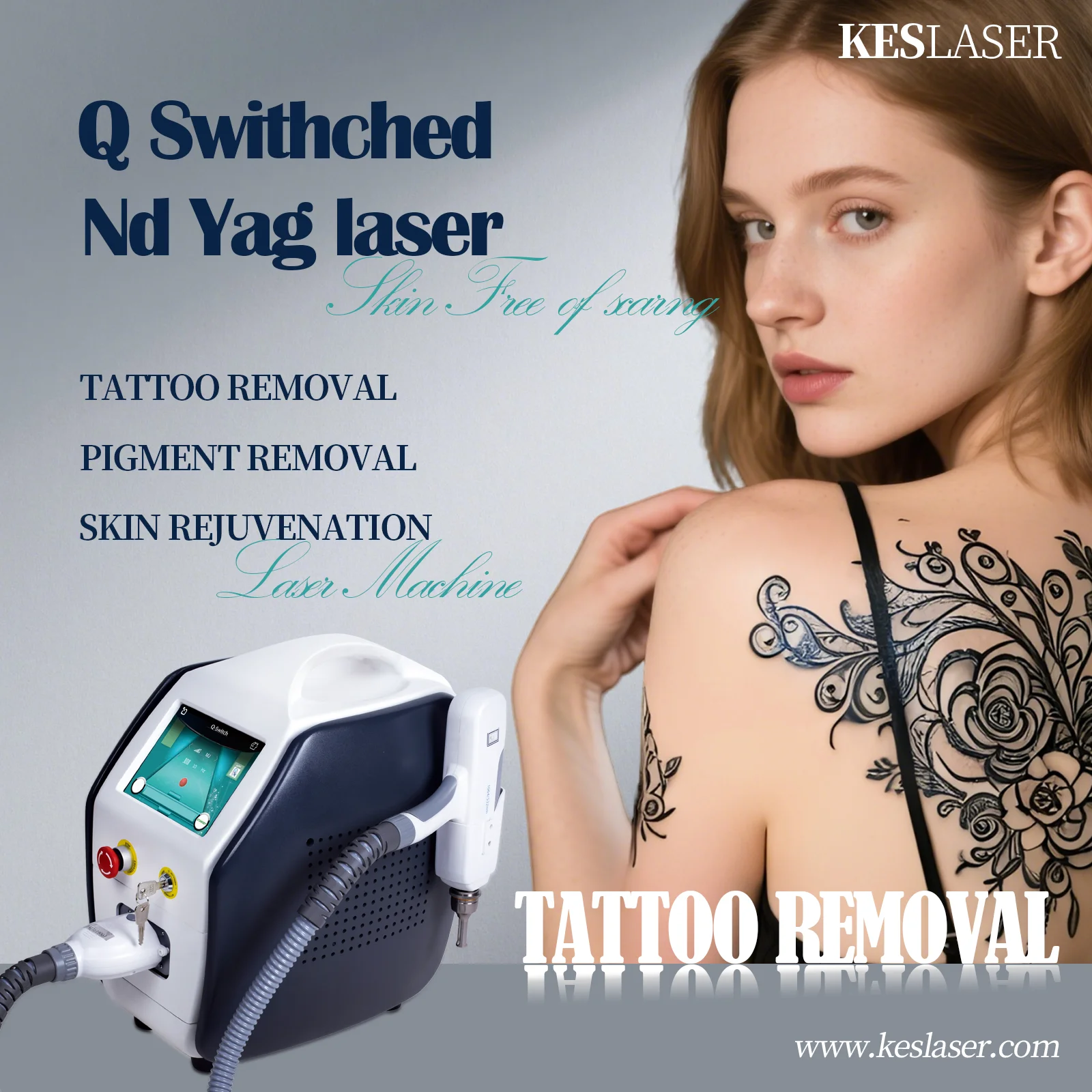
Buyers should also decide whether they need a compact system, a vertical system, or broader pigmentation-removal equipment. Portability may help a small clinic conserve space, while a busy clinic may care more about stable output, cooling, service access, and operator workflow. The right comparison asks which format fits the buyer’s volume, staffing, and room plan.
Compare the Tattoo Removal Laser Manufacturer Behind the Device
Compare Laser Technology and Treatment Compatibility
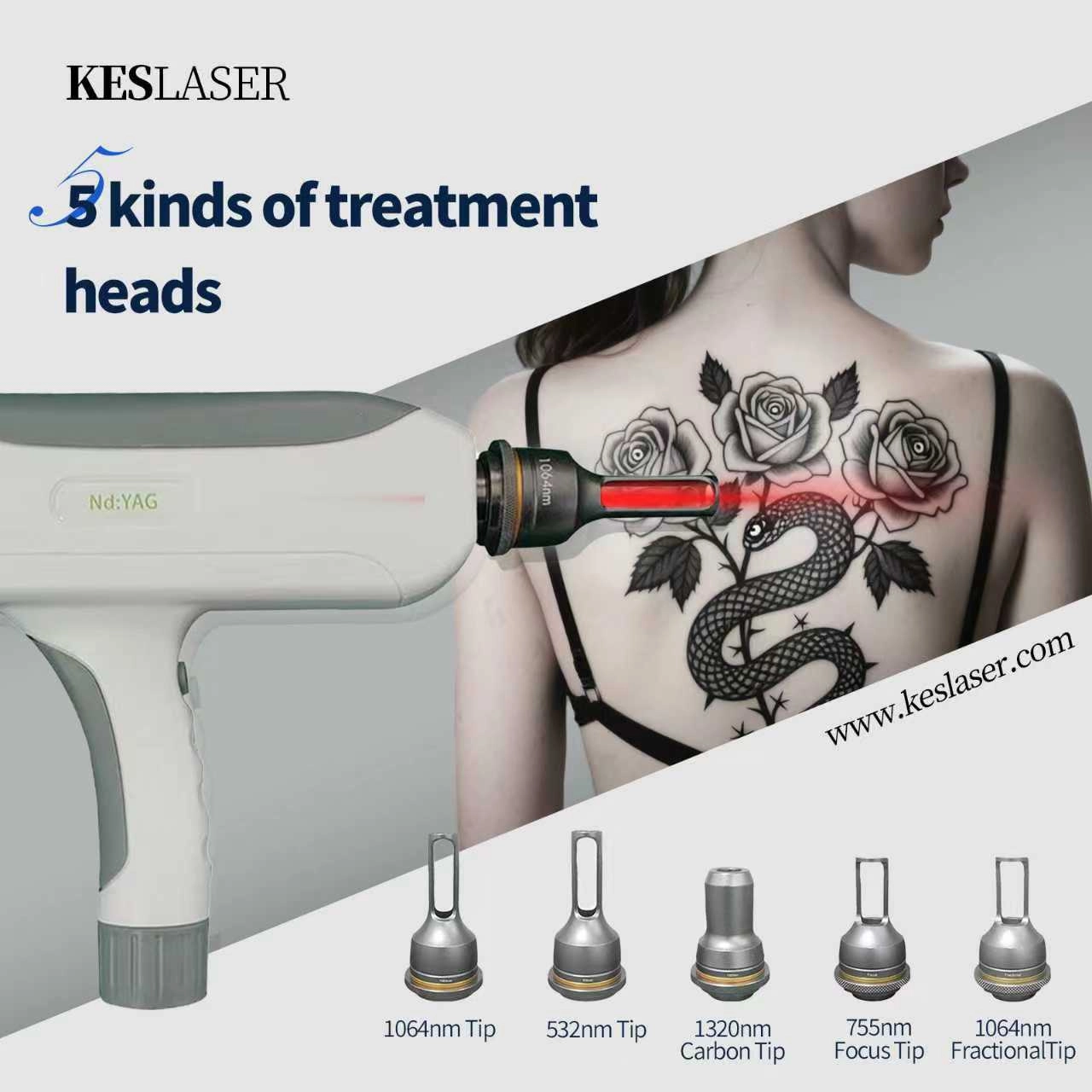
Device names can look similar, so the comparison has to go beyond the front panel. Ask the candidate to explain pulse duration, wavelength options, spot size, cooling, handpiece design, and maintenance items. A supplier that only repeats sales claims may leave the buyer without enough information for clinical planning, staff training, or ownership.
For professional tattoo removal, Q-switched Nd:YAG and picosecond laser platforms are commonly used reference points. Q-switched systems typically operate with nanosecond pulse durations, while picosecond systems deliver shorter pulse durations for specific pigment fragmentation approaches. The practical issue is not only which technology sounds more advanced, but how the pulse profile, available wavelengths, and treatment heads match the ink colors and patient skin types the clinic expects to treat, with appropriate parameter selection and clinical assessment. The buyer should request clear use-case guidance rather than a blanket promise.
Evaluate How the Manufacturer Explains Equipment Settings
Wavelength discussion is especially important. Buyers should compare tattoo removal laser wavelengths against expected ink colors and skin-type range, then review how settings are adjusted in practice. The manufacturer should explain what operator training is required. That explanation is more useful than a broad claim about faster results without discussing treatment parameters, patient factors, and expected sessions.
In a formal comparison, you should still evaluate with the same questions used for any candidate: intended treatments, configuration options, training process, warranty terms, and after-sales response.
Check Evidence, Documentation, and Factory Support
Review Product Documents and Certification Details
Supplier comparison becomes stronger when every claim is tied to reviewable evidence. Ask each candidate for product documentation, user materials, certificate scope, warranty language, training content, spare-part terms, and maintenance instructions. A certificate should identify the covered product category, applicable standard, and certification scope, not simply appear as a logo in a sales deck.
Assess OEM, ODM, and Production Support
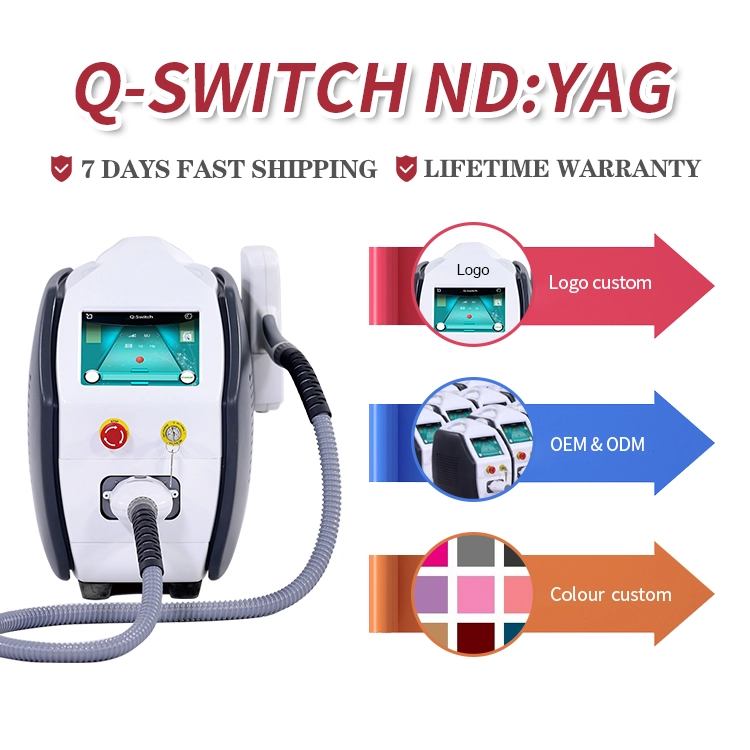
For distributors and brand owners, OEM and ODM capability is an important part of supplier evaluation. Buyers should review customization options, production management, quality control, documentation support, and after-sales coordination to ensure long-term cooperation.
KES laser provides OEM and ODM services covering industrial design, mechanical design, software design, functional design, interface design, and logo customization, helping partners develop solutions for different market needs.
Use a consistent evidence matrix during supplier review:
|
Comparison Area |
What to Request |
Why It Matters |
|
Treatment fit |
Wavelengths, pulse type, handpieces, cooling notes |
Confirms whether the platform matches expected ink colors and client profiles |
|
Documentation |
Manuals, certificates, warranty terms, training plan |
Shows what the buyer can verify before payment |
|
Production support |
OEM or ODM scope, packaging, labeling, lead-time process |
Helps distributors plan launch |
|
Service plan |
Spare parts, remote support, maintenance intervals |
Reduces downtime risk after installation |
This table should be filled with every supplier’s response. If a manufacturer cannot explain a field, the buyer should treat that as a gap to resolve before ordering.
Review Training, Service, and Ownership Risk
Training is part of the product, not an optional extra. A supplier does not replace local clinical licensing or operator responsibility, but the supplier should make training and safety documentation easy to review.
Service is equally practical. Ask who handles troubleshooting, how spare parts are ordered, what maintenance tasks are expected, and whether support is available after installation. A lower initial price can become expensive if downtime, consumables, or unclear responsibilities interrupt treatment schedules.
A careful tattoo removal laser manufacturer comparison also checks communication quality. During quotation, note whether the sales and technical teams answer the exact question asked, whether they distinguish between Q-switched and picosecond use cases, and whether they can explain limitations without exaggeration. Clear pre-sale communication often predicts the quality of post-sale support.
Evaluate Quotes with a Repeatable Decision Method
Once the technical and service information is gathered, compare quotes line by line. The useful price is the price for a complete working package, not only the machine body. Include training, included accessories, optional handpieces, warranty, spare-part availability, shipping terms, and documentation that the project requires.
Shortlist suppliers only after the same information has been requested from each candidate. A buyer can score treatment fit, documentation clarity, and service responsiveness separately. This prevents one attractive number from hiding a weak support plan.
The final decision should read like a procurement note: which device type fits the treatment menu, which supplier answered the evidence requests, which cost items remain open, and what must be confirmed before payment. That structure helps buyers compare tattoo removal laser manufacturer options without leaning on unsupported rankings.
KES laser blends research, manufacturing, quality checking, and post-sale care. This mix delivers steady medical beauty devices. Thanks to strong OEM and ODM skills, we assist partners in making custom goods. We supply learning files, tech advice, and constant repair help. This boosts machine performance and client satisfaction.
FAQ
Q: How should a clinic compare a tattoo removal laser manufacturer?
A: A clinic should compare technology fit, documentation, training, service terms, and total ownership cost. Start with expected tattoo colors, skin-type range, room size, operator experience, and treatment volume. Then ask each supplier the same questions so the comparison is fair and not driven only by the lowest machine price.
Q: Is the lowest quote from a tattoo removal laser manufacturer a good choice?
A: The lowest quote is useful only when it covers the complete package required for operation. Compare included accessories, training, service response, warranty, shipping terms, and future spare parts. A cheaper device can become costly if support is unclear or downtime affects clinic scheduling.
Q: Which technology should a tattoo removal laser manufacturer recommend?
A: The recommendation should depend on the buyer’s treatment menu and client profile. Q-switched Nd:YAG and picosecond systems are both common in professional tattoo removal discussions, but the better fit depends on ink colors, skin types, workflow, budget, and operator training. Avoid suppliers that make one universal promise.